Scientists have uncovered a remarkable connection between medieval and modern winemaking after analysing a grape seed retrieved from a 15th-century hospital lavatory in Valenciennes, northern France.
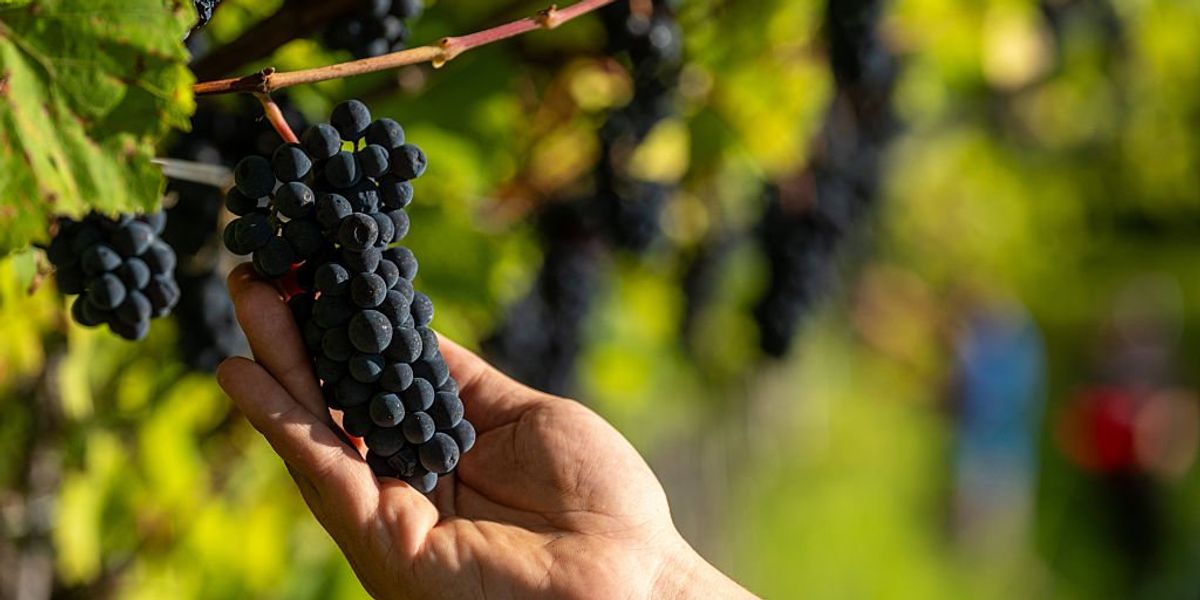
The 600-year-old seed proved to be a genetic match for grapes currently used in pinot noir red wine production, researchers announced.
The seed was found in a toilet that doubled as a waste disposal area, according to the research team.
Their findings, published in the journal Nature Communications, demonstrate that winemakers have maintained specific grape varieties through clonal propagation methods for six centuries.
Paleogeneticist Ludovic Orlando of the University of Toulouse placed the discovery in historical context, noting that Joan of Arc lived during the same era.
“She could have eaten the same grapes as us,” he said.
The research team sequenced the genomes of 54 grape seeds spanning from approximately 2,300 BC during the Bronze Age, through to the medieval period.
The technique involves preserving cuttings from particular vines to reproduce identical plants across generations.
 Medieval 600-year-old grape seed found in French toilet in stunning discovery |
GETTY
While historical documents had previously suggested such cultivation practices existed, study co-author Laurent Bouby of the Institute of Evolutionary Science of Montpellier explained that “outside of paleogenomics, it is very difficult to characterise this technique”.
Evidence indicates these methods were employed as early as the Iron Age, between 625 and 500 BC.
The earliest grape specimens examined in the study came from wild vines near Nimes, dating to roughly 2,000 BC.
Cultivated vines first appeared in France’s southern Var region between 625 and 500 BC, coinciding with the period when Greek colonists are thought to have brought viticulture to the country following their establishment of Marseille.
Mr Orlando noted that Greek and Etruscan wine trade during this era was already documented through surviving amphora vessels.
However, DNA analysis of seeds from the Roman period revealed extensive long-distance exchanges of domesticated grape varieties from Spain, the Balkans, the Caucasus and the Middle East.
Northern France saw considerable genetic mixing between imported cultivated varieties and indigenous wild vines during Roman times.
The research establishes a tangible link between contemporary France, one of the world’s leading wine producers and consumers, and its ancient viticultural traditions.
Whether the medieval grapes were consumed fresh or fermented into wine remains uncertain, Mr Bouby acknowledged.
The study offers genetic confirmation of practices that have sustained beloved wine varieties across centuries, connecting modern drinkers to their medieval predecessors.
Pinot noir, most commonly associated with the Burgundy region, ranks as the fourth most cultivated grape variety worldwide.
Mr Orlando expressed interest in future collaboration with historians who have access to texts describing historical winegrowing practices.