(LifeSiteNews) — We know that women in the U.S. who take the abortion pill can suffer nausea, vomiting, and unbearable pain for hours, all the while bleeding out clots the size of golf balls. We also know that, even with the best medical care in the world, women have still lost their lives to the deadly drug.
But what about women in the developing world, who not only don’t have access to first-rate medical care, but often have no access to care at all?
The cause of death of a Nigerian woman who hemorrhages to death on the floor of her hut will never be investigated. Nor will the cause of death of the Peruvian woman whose sepsis progresses too quickly for the local clinic to save her be accurately recorded.
But the absence of detailed statistics does not mean the absence of harm.
It is a certainty that, as their babies are dying from mifepristone, mothers in the developing world frequently succumb as well.
Last year’s report from the Ethics and Public Policy Center showed how dangerous the abortion pill was for babies and mothers in the United States. Based on data from insurance claims, the authors concluded that mifepristone’s complication rate was close to 11 percent.
If it’s this dangerous in the U.S., think of how much more dangerous it is in countries without a modern health care system. These are places where the women themselves may be malnourished, in poor health, or suffering from other ailments to begin with.
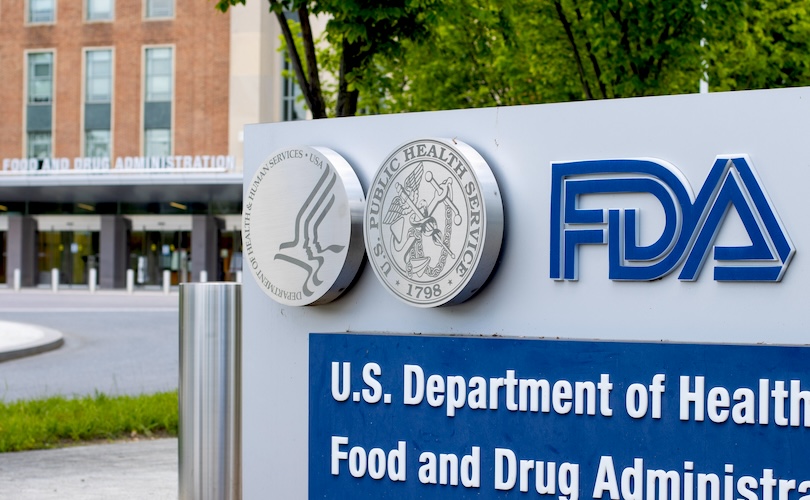
The FDA has acknowledged official reports of deaths and life-threatening events worldwide, including cases involving sepsis, severe hemorrhage, toxic shock syndrome, and multivisceral failure leading to death.
One study from a relatively prosperous Latin American country reported that almost 15 percent of the women who took the abortion pill reported serious complications, such as hemorrhage or incomplete abortion. Given that this figure relied on self-reporting from the women themselves, the actual number of complications was probably higher.
After all, any woman who actually died after taking the abortion pill would not be reporting anything – ever again.
Thanks to the Trump administration’s Mexico City Policy, the U.S. no longer ships containerloads of abortifacient drugs like mifepristone/misoprostol around the world.
But this hasn’t stopped pro-abortion NGOs from continuing to hand out abortion pills like candy in the poorer parts of the world, heedless of the women who may be harmed, or even die, as a result.
Literally tens of millions of doses of mifepristone and millions of doses of misoprostol – steps one and two of the abortion pill regimen – are now being distributed to all four corners of the globe.
In most of these places – where again women have limited or no access to health care – there is almost no accountability with regard to what happens after the pills are taken. No one is systematically tracking life-threatening complications.
It’s almost as if the abortion giants and their networks don’t want women – or the broader public – to know the dangers – even as they continue pushing to relax regulations and increase access to the abortion drug across the globe.
There are other issues as well. For example, in developed countries, such as Norway and Sweden, the pills are only “approved” for use up to 12 weeks’ gestation, and these limits are generally abided by.
In the developing world, however, as the use of mifepristone becomes more common, there are effectively no limits. Shockingly, African women have been used for clinical trials of the abortion pill as late as 22 weeks’ gestation.
In countries where the abortion pill is still illegal, abortion networks are actively lobbying for its legalization. Groups like FIGO, Family Planning 2030, and CLACAI – as we’ve documented in multiple reports over the last year – want to expand abortion pill access to the entire globe.
The World Health Organization, always eager to promote the culture of death, is working hard as well to promote the deadly drug.
In 2005, the WHO included both mifepristone and misoprostol on the list of “essential” medications. In 2019, the WHO went even further, upping the status of both drugs to their “core” list of essential medications for basic health care. These “core” drugs, according to the WHO, are supposedly “the most efficacious, safe and cost-effective medicines for priority conditions that should be available in health care systems at all times.”
It’s impossible to know just how many women each year face life-threatening complications after the chemical death of their children. Nor do we have an accurate count of the number who die as a result of taking the abortion pill.
But the numbers must be staggering.
Consider that, in the U.S., over half of all abortions result from the pill and that, according to the WHO, there are 73 million abortions worldwide each year. If half of the 73 million abortions are now by pill – which doesn’t seem unreasonable – then that would mean that there are 36 million chemical abortions every year.
Even if the rate of complications is only one in 10 – and we suspect that it is much higher in the developing world – that would be 3.65 million women facing dangerous, life-threatening complications after taking the abortion pill.
Perhaps half of these women live in rural areas where abortifacients are freely handed out and would lack easy access to medical care. Some would die as a result.
You will not hear the abortion networks, or even the WHO, reporting this reality, however. They are too busy attacking “unsafe abortions” or the “effects of restrictive abortion laws” to bother noticing the adverse medical effects of the very pills they are pushing in the name of “health” and “freedom.”
The road to ending the harm caused by the abortion pill begins right here in the United States.
We and others are working hard to persuade HHS Director Robert Kennedy Jr. and FDA Director Marty Makary to withdraw approval of the drug. The risks and dangers of the drug are becoming more evident by the day, and the political pressure to clamp down on the abortion pill is growing.
For better or worse, many countries follow the FDA guidelines, regarding them as the gold standard in medicine. That is why, when mifepristone was approved in the U.S., nearly 100 countries followed our lead.
If the U.S. reverses its approval, many countries will likewise follow suit.
Millions of lives will be saved, both at home and abroad.