First Baptist Dallas pastor warns of IRS overreach in linking ‘biblical beliefs with prohibited political speech’
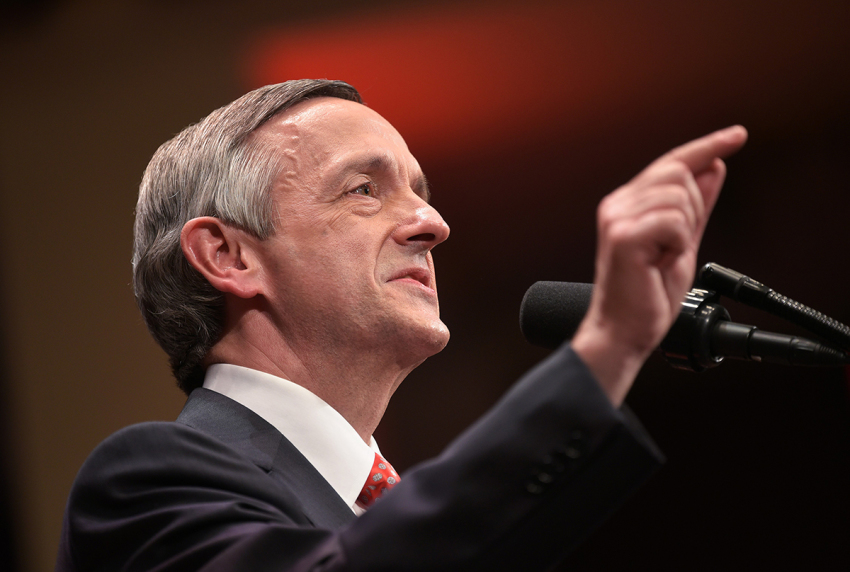
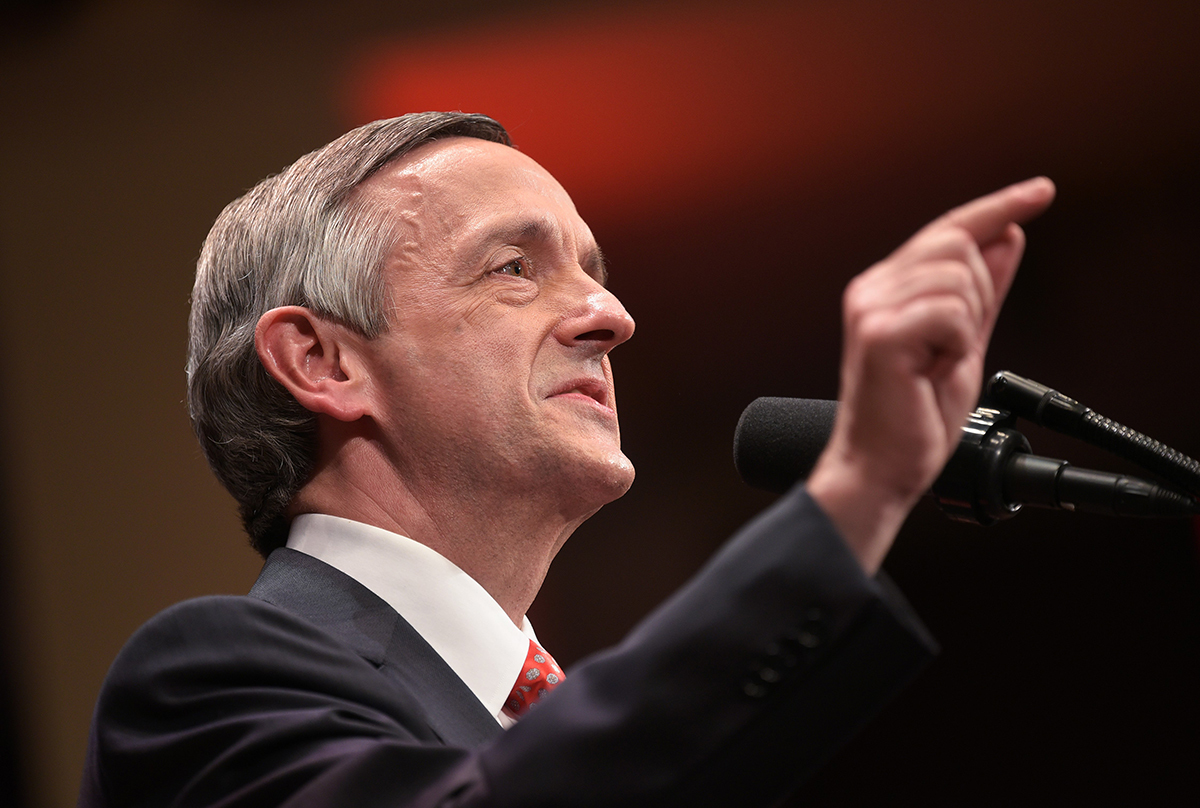
It’s “none of the government’s business” to regulate the content of sermons that pastors preach from the pulpit, Pastor Robert Jeffress of First Baptist Dallas told a White House religious liberty panel Wednesday.
In testimony before the U.S. Department of Justice’s Religious Liberty Commission, Jeffress and First Baptist Dallas Senior Executive Pastor Ben Lovvorn shared their experience with the IRS during a controversial church tax inquiry in 2021 under former President Joe Biden.
Jeffress’ statement to the Commission included comments he initially shared with his congregation on Sunday, in which he recounted how the atheist legal organization Freedom From Religion Foundation (FFRF) filed a complaint with the IRS after former Vice President Mike Pence and then-HUD Secretary Dr. Ben Carson shared their faith testimonies of “how they came to know Jesus as Savior” at Jeffress’ church in June 2020.
“It’s interesting that we did not hear anything from the IRS for 11 months and four months after Joe Biden became president, Jeffress told the panel Wednesday. “It was on May 6, 2021, that the IRS informed our church that they were initiating an inquiry into the tax-exempt status of our church because of our patriotic service.”
Noting that First Baptist Dallas “never had an issue” with the IRS prior to the inquiry, Jeffress said he has a “history of encouraging pastors to follow IRS regulations and not endorse candidates from the pulpit.”
“We encourage Christians to vote their biblical conviction,” he added.
In his testimony, Jeffress pointed out that on Nov. 1, 2020, the same day he addressed his church about the presidential race, Biden was speaking at the Sharon Baptist Church in Philadelphia, where, said Jeffress, the former president and the church’s pastor “openly encouraged members to vote for Biden while both men were standing in front of a campaign banner in the church.”
“When we pointed out the contrast to the IRS between our non-endorsement policy and this church’s flagrant disregard for the Johnson Amendment, the IRS officials conducting the examination had no response,” he added.
While the inquiry lasted more than a year, the IRS eventually acknowledged in July 2022 that First Baptist Dallas “did not engage in any improper political intervention or violate the U.S. tax code,” he said.
Despite the favorable outcome, Jeffress said he wanted to testify before the Commission because while First Baptist Dallas could afford the legal fees, most churches could not — nor, he said, should they have to do so.
“The government has absolutely no business determining what is proper and improper speech in the worship service of any church,” he added. “The IRS and any government agency lack the ability to distinguish between political speech and political conviction.”
Much of the conversation between Jeffress and the Commission centered on talk of repealing or amending the Johnson Amendment, named after then-Sen. Lyndon Baines Johnson, who led an effort in 1954 to amend the Internal Revenue Code to prohibit nonprofit organizations, including churches, from endorsing or opposing political candidates.
He pointed to the case of Bunni Pounds, founder of the Christian voter education group Christians Engaged, which the IRS denied a tax-exempt application in May 2021 due to the group’s religious convictions on various topics, including abortion and marriage.
While the government eventually reversed its decision, Jeffress said, “this initial decision by the IRS to equate biblical beliefs with forbidden political speech illustrates how easily the Johnson amendment could be misused to silence churches directly or cause them to engage in self-censorship to avoid costly litigation.”
Jeffress added that while he is not opposed to government regulation on church spending involving political campaigns, he believes “the government has absolutely no right to regulate what is said in a church.”
“What I preach from the pulpit of the First Baptist Church of Dallas — or any pastor preaches from his church — is none of big government’s business,” he added.
The hearing comes as the Johnson Amendment faces its most serious legal challenge in decades, stemming from a lawsuit originally filed by the National Religious Broadcasters in Michigan last year. Attorneys for Americans United for the Separation of Church and State (AU) are asking a judge to reject a consent decree issued in July in which the IRS acknowledges that the Johnson Amendment should not be enforced against churches.