BISMARCK, North Dakota (LifeSiteNews) — North Dakota Attorney General Drew Wrigley issued a cease-and-desist order on January 16 against the Prairie Abortion Fund (PAF), in hopes of forcing the organization to stop undermining its pro-life law by helping distribute abortion pills through the mail.
In April 2023, former Republican Gov. Doug Burgum signed a law banning most abortions throughout pregnancy, with exceptions only allowed for rape or incest before the detection of a heartbeat or when allegedly “necessary” to avoid a “serious health risk” to the mother at any point before or after six weeks. The bill was meant to deal with a block that the state’s highest court had placed on North Dakota’s previous abortion law, a trigger law meant to make most abortions illegal in the event of Roe v. Wade’s downfall. The new law was challenged in court as well, but the North Dakota Supreme Court affirmed it in September 2024, allowing it to finally be enforced.
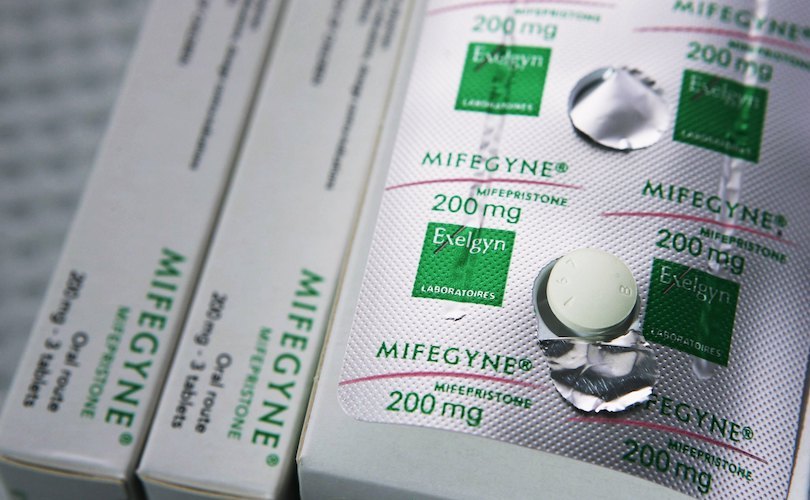
However, abortion seekers have been to get around the law by ordering abortion pills online and receiving them by mail, to be taken in complete privacy. Among the facilitators is the North Dakota-based Prairie Abortion Fund, a nonprofit that helps “offset the cost of an abortion fee, cover travel and lodging expenses required for appointments, and assist with other associated costs such as birth control options and STI testing.” It refers visitors to several other organizations for assistance obtaining abortion pills.
The cease-and-desist order from Wrigley’s office says that in August it “received information suggesting that Prairie Abortion Fund is engaged in promoting and facilitating the unlawful sale of products through its website” and that “[c]oncerns were raised that the Abortion Pills sold on websites promoted and linked by Respondent were counterfeit, untested, unapproved, misbranded, or sold without a required prescription and for unsupervised use in violation of law.”
Websites accessed through PAF’s recommendations did not require “any information outside of a name, email, phone number, billing and shipping address, to complete the purchase,” the order says. “A purchaser is not asked to answer any health questions, provide a prescription, verify identity, or disclose their age. There was no age or identity verification during the entire purchasing process for either website.”
Testing of the pills themselves verified they did contain mifepristone and no controlled substances, but could not verify whether the dosage strength was as advertised.
The state contends that PAF’s activities violate both the Abortion Control Act and the Consumer Fraud Law. It directs the organization to stop promoting abortion pills and the organizations that provide them, subject to fines of $1,000 per violation if they refuse.
Mailing abortion pills across state lines to be taken in complete privacy has been one of the abortion lobby’s top methods for undermining state pro-life laws, regardless of the risks the pills carry for women, which are compounded by taking them without medical personnel on hand to deal with complications.
Planned Parenthood Federation of America’s most recent annual report revealed that, almost two years (as of April 2024) after the U.S. Supreme Court overturned Roe and allowed direct abortion bans to be enforced for the first time in half a century, the nation’s largest abortion chain still operated almost 600 facilities nationwide, through which it committed 392,715 in the most recent reporting period. According to the Lozier Institute’s Prof. Michael New, that is a “record number of abortions for the organization and represents approximately 40 percent of the abortions performed in the United States.”
Questions are currently swirling over when and how the Trump administration will handle the problem. Since returning to office, President Donald Trump has taken a number of pro-life actions primarily in the area of taxpayer funding, but concern has brewed among pro-lifers ever since he declared (amid a broader effort to soften the Republican Party’s pro-life plank) that he would not enforce a federal law banning abortion pills from being dispensed by mail, continuing a Biden administration policy that undermines state pro-life laws.
Some pro-life leaders have called for the firing of U.S. Food & Drug Administration Commissioner Marty Makary over reports he is intentionally “slow walking” a promised review of the abortion pill safety data, which Makary denies.