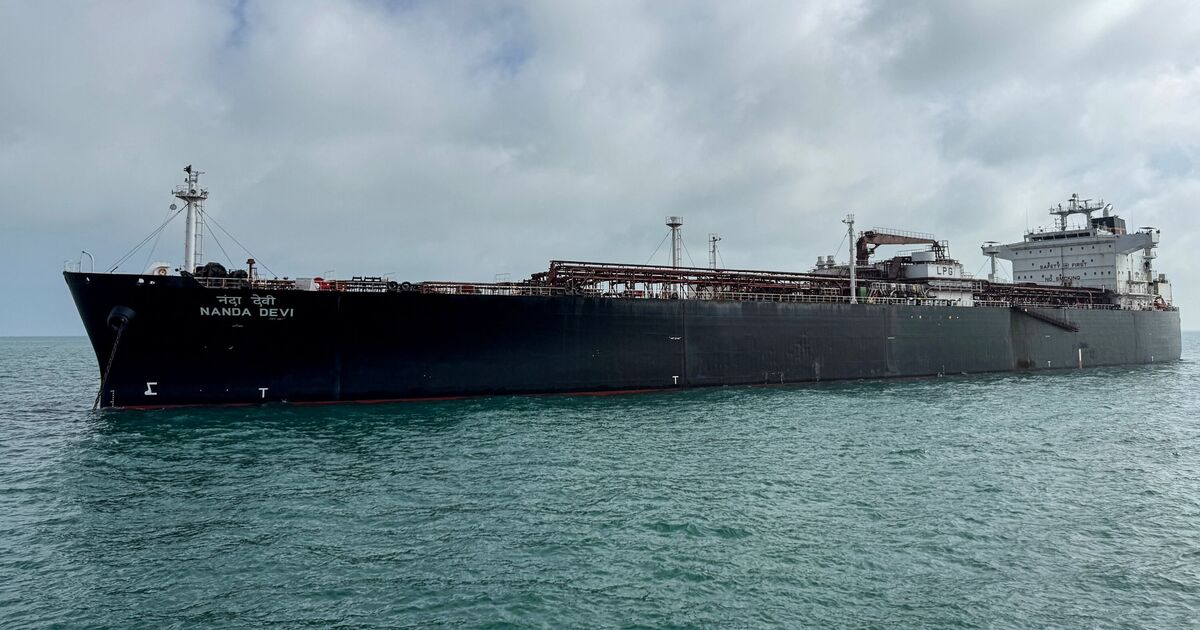
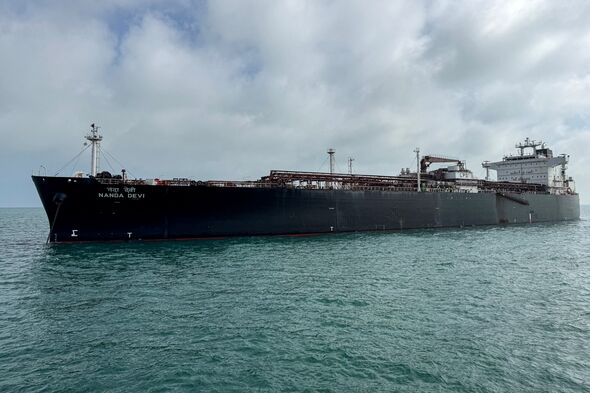
Indian vessel ‘Nanda Devi’ carrying liquefied petroleum gas (LPG) in the Strait of Hormuz (Image: AFP via Getty Images)
Brent crude rose above $100 a barrel on Tuesday as President Donald Trump’s appeals for a naval coalition to escort tankers through the Strait of Hormuz met resistance from key US allies, deepening concerns of a prolonged energy crisis. Brent futures increased $2.48, or 2.5 %, to $102.69 a barrel by early London trading, while US West Texas Intermediate climbed $2.42, or 2.6 %, to $95.92.
The price rise followed Monday’s retreat, when several vessels transitioned the waterway before fresh Iranian attacks closed shipping routes again. Mr Trump said on Monday: “Numerous countries have told me they’re on the way to help police the strait.” He criticised their hesitation, stating it exposed “a lack of reciprocity in defence agreements with the United States.”
Read more: Trump says US doesn’t need anybody – his outbursts at Starmer suggest otherwise
Read more: Iran security chief killed in huge airstrike as several other top officials dead
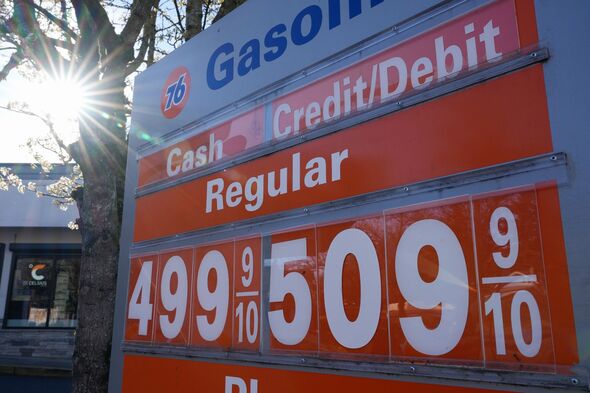
Gasoline prices are displayed at a gas station in Oregon on Monday (Image: AP)
European powers and South Korea have declined to commit warships, citing fears of entanglement in the three-week conflict. Foreign Ministry spokesperson Park Il said: “The government will maintain close communication with the US side and conduct a close and careful review of the issue, taking into account various factors and the changing regional situation.”
No major ally has deployed vessels. The EU has rebuffed the expansion of naval operations, while the UK continues to review the situation without taking action.
The closure of the strait—which carries a fifth of global oil and liquefied natural gas—has halved UAE production and reduced Iraqi output from 4.3 million to 1.2 million barrels a day. Parliament speaker Mohammad Bagher Qalibaf said: “The Strait of Hormuz cannot be as it was before. This strategic mistake by the Americans and the Zionist regime has turned this potential into an active reality. This is a high-risk opportunity.”
Ambassador to Turkmenistan Ali Mojtaba Rouzbehani said: “I have a proposal for Trump: if he wants stability and passage through the Strait of Hormuz, he must ensure that his military forces withdraw from the strait. We will defend its stability and security.”
Analyst Matt Britzman said: “Geopolitical tensions ramped up with Trump looking to rally support for a coordinated plan to reopen the Strait of Hormuz. Even if the Iran conflict comes to a swift resolution, ongoing concerns about stretched valuations and fresh warnings in private credit could keep US markets from breaking into a full-blown rally.”
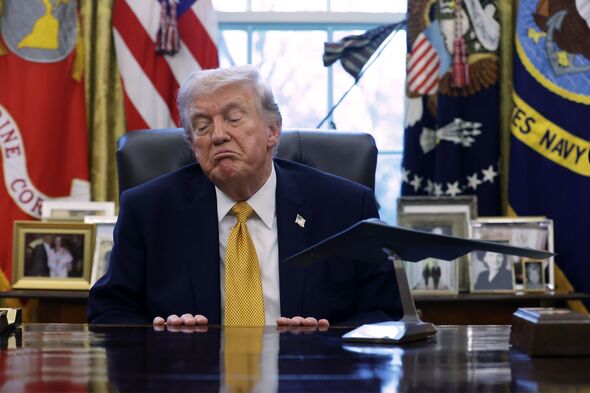
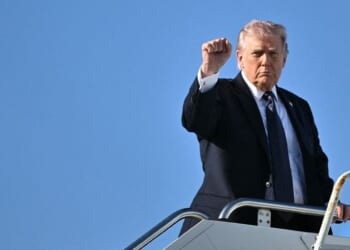
US President Donald Trump (Image: Getty)
AVP Kaynat Chainwala said: “Prices briefly pulled back below $97 earlier as traders took note of continued crude exports flowing from Iran’s Kharg Island despite recent US strikes. The dip was short-lived, however, as broader risk sentiment reasserted itself.”
The conflict has resulted in over 1,300 deaths in Iran, 850 in Lebanon, and 12 in Israel, with 13 US service personnel killed. Iranian missiles struck UAE targets on Tuesday, killing a Pakistani worker. Fires were reported in Qatar, and Saudi Arabia intercepted twelve drones over its eastern provinces.
With 26 South Korean vessels and 183 crew stranded, and China holding talks regarding Mr Trump’s postponed Beijing visit, the White House faces diplomatic isolation. A US trade official said: “Any delay to the China trip is unrelated to China’s help in the strait.”
Bank of America and Standard Chartered have raised 2026 Brent forecasts to $77.50 and $85.50 respectively, citing disruption risks into the second quarter. The International Energy Agency has proposed extra strategic reserve releases beyond the 400 million barrels already planned.
The market indicates $100 oil is the current baseline. As allies decline to enter the conflict zone, the chokepoint remains volatile, and global inflation concerns persist as central banks monitor the situation.