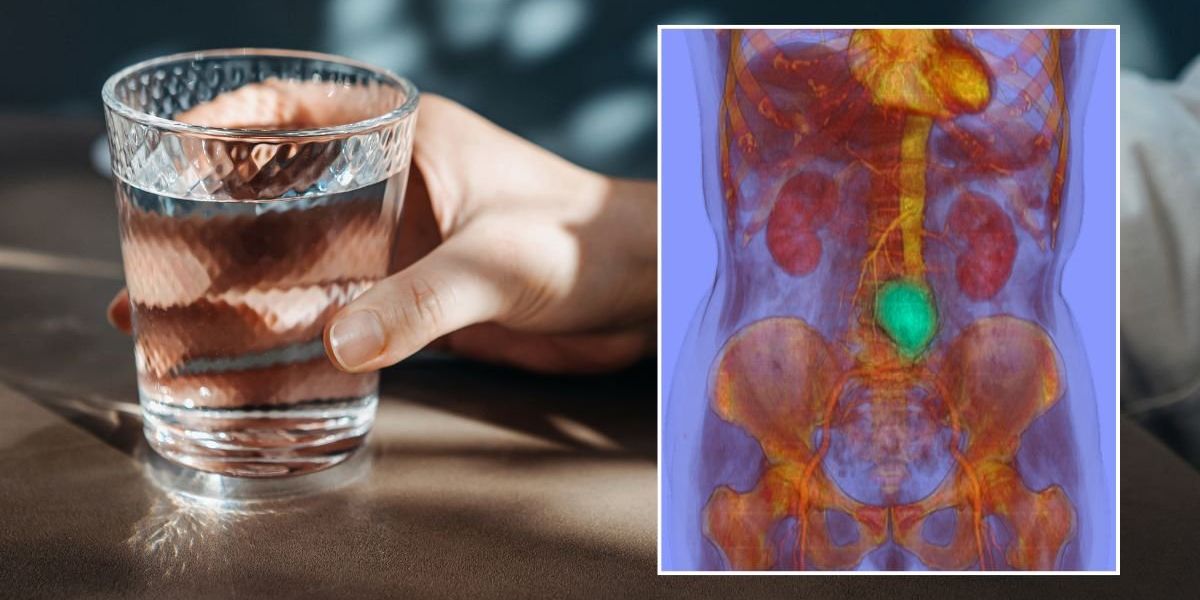
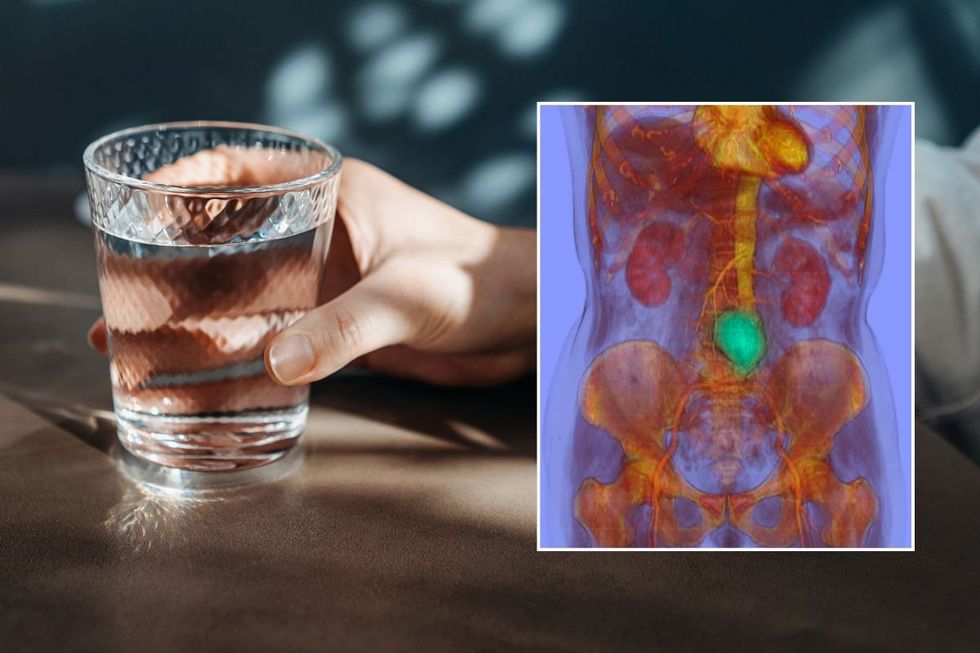
Only three in ten Brits are giving Dry January a go this year, according to fresh research from LloydsPharmacy Online Doctor, with nearly half of participants doing it to boost their health and fitness
The survey of 1,000 UK adults found that men are slightly more keen to ditch the booze, with 33 per cent signing up compared to just 27 per cent of women.
Around a quarter want to feel sharper and more focused mentally, while one in seven are hoping to save some cash or reset their relationship with alcohol. Interestingly, just 2 per cent blamed their festive drinking habits for joining the challenge.
Pharmacist at LloydsPharmacy Online Doctor, Sheena Bagga, has outlined six ways that giving up alcohol can transform your health this January.
Hypertension is one of the most common health issues linked to drinking
|
GETTY
Blood pressure
First up is blood pressure; as it transpires, hypertension is one of the most common health issues linked to drinking.
“Regular drinking can narrow the blood vessels, making it harder for the heart to pump blood around the body and therefore increasing blood pressure,” Bagga explained, noting that the risk is greatest for regular drinkers over 35.
Fortunately, individuals with high blood pressure can expect to see their readings drop significantly after just three days without alcohol.
Lower blood pressure also means reduced chances of strokes, heart disease, chronic kidney disease and vascular dementia.
Cancer
Concerningly, alcohol is also known to cause seven different types of cancer, including breast, bowel, mouth, liver, oesophagus, larynx and pharynx.
“When we drink alcohol, it’s broken down into a chemical called acetaldehyde, which can damage our cells and stop them from repairing properly,” Bagga explained.
“Alcohol also disrupts our hormones, raising levels of oestrogen and insulin, which can make cells divide more often, increasing the risk of cancer developing.”
Excessive consumption of alcohol facilitates the absorption of harmful chemicals by cells in the mouth and throat.
Cholesterol
Your cholesterol levels can also take a hit from regular drinking, because the liver breaks down alcohol into fats called triglycerides and cholesterol. So the more you drink, the higher these levels climb in your blood.
“If triglyceride levels get too high, your liver will not function as well and will therefore not remove cholesterol from your blood, causing your cholesterol levels to rise,” Bagga explained.
Eventually, this can lead to heart disease and other cardiac complications.
Body weight
Alcohol doesn’t just pile on extra calories – it can actually make you hungrier by affecting the brain and hormones that control appetite.
“[It] acts like an aperitif, stimulating your appetite and leading to greater overall food intake,” Bagga noted, adding people who cut out booze often notice weight changes around the three-week mark.
Libido
Heavy drinking affects both men and women in the bedroom, causing all sorts of problems.
“Drinking large amounts of alcohol can cause sexual dysfunction in different ways, including the shrinking of the sex organs, premature ejaculation and the lowering of the sex drive due to a reduction in testosterone,” Bagga said.
For men specifically, this testosterone drop can lead to erectile dysfunction and fertility issues.
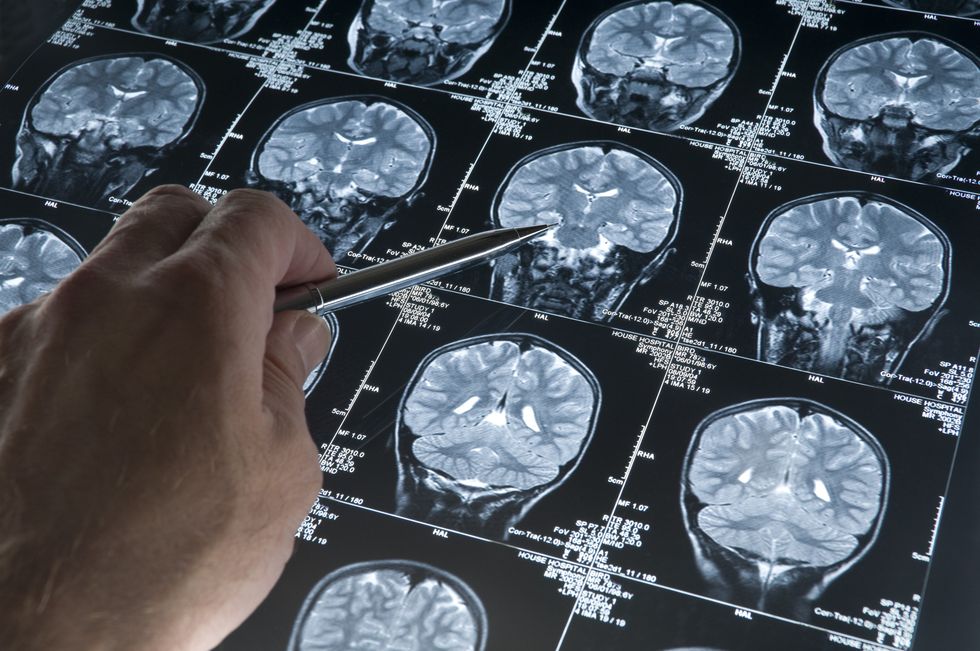
By reducing blood pressure, abstinence from alcohol could lead to a lower stroke risk
|
GETTY
Gut health
Your gut will also thank you for taking a break from booze because alcohol irritates the digestive system and causes inflammation.
Over time, heavy drinking upsets the balance of bacteria in your gut and weakens the lining, allowing harmful substances to leak through and disrupt your immune system.