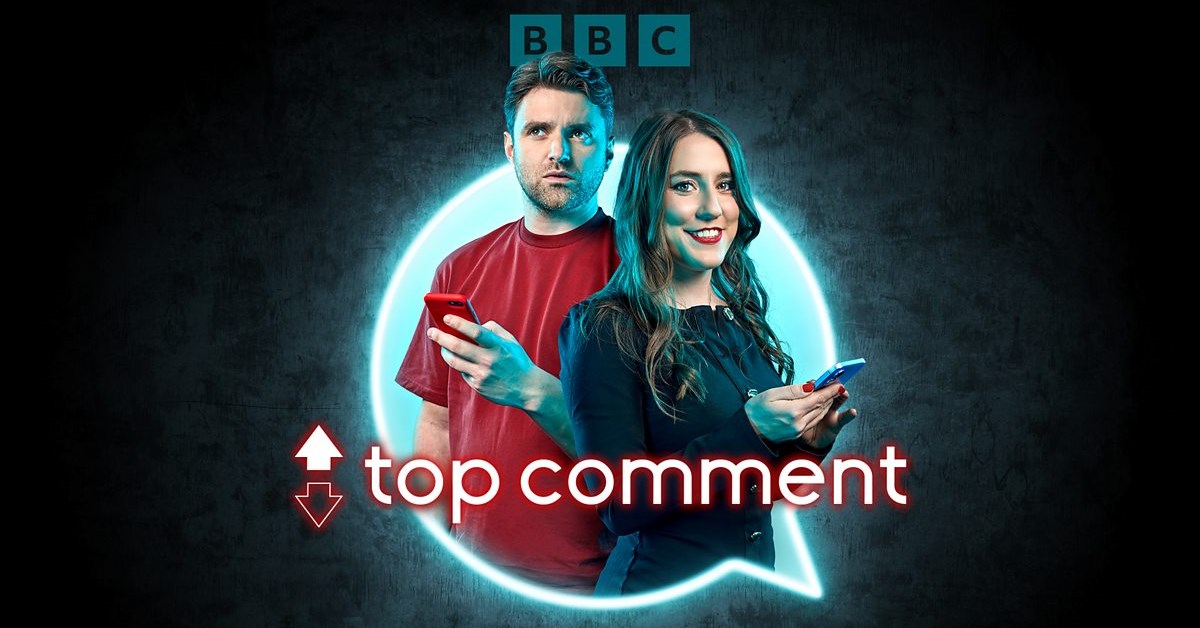
TOP COMMENT is a new BBC podcast that analyses social-media trends: it follows the money and ideologies behind people who shape our perceptions. In its debut episode, “Decline Porn Explained, and Why Clavicular is Misunderstood”, we see how toxic online influencers exploit local communities.
They travel to places such as Croydon, in south London, filming residents under false pretences to create a bleak narrative for their followers. One striking example involves a friendly young black cyclist who has his smile obscured by an AI-generated balaclava, while the influencer’s voiceover depicts him as a thug. Additionally, AI-generated shop signs are altered from English to Arabic, serving as a dog whistle to far-Right fears of an Islamic takeover.
Before the bombardment in Iran began, I found episode “America the Predatory Hegemon” from The Foreign Affairs Interview podcast insightful and eerily prescient. It criticises the Trump administration’s approach on the international stage, portraying the United States as both a devastating foe and an unreliable ally. The interview and the accompanying essay in Foreign Affairs highlight how weakening alliances and declining trust may isolate the US, making it increasingly vulnerable if it continues to attempt unilaterally to reshape the world order.
Shifting focus from the global to the local, the Westminster Insider provides a well-thought-out behind-the-scenes look at British politics in the episode “Gorton and Denton By-election: Labour vs. everyone else”. The hosts, interviewing the three primary candidates who were, at that point, contesting the seat, push beyond retrieval of the typical sound-bites to offer real context and insights into the individuals and philosophies undergirding the candidates’ campaigns.
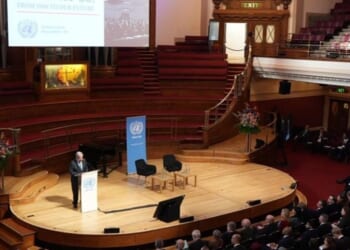
Uncommon Ground, with Justin Brierley, is a reheated idea. It is about engaging people with opposed theological views in conversations about God, faith, science, philosophy, and culture. The first episode, “Richard Dawkins and Rowan Williams: God vs. Science. What is Behind the Poetry of Reality?”, opens with explosive clips to hook the audience, but the heavy emphasis on paid subscriptions can be distracting.
While the conversations are intriguing, they often feel unsurprising. Both Lord Williams and Professor Dawkins are established academics with too much to lose by admitting that they actually find the other person’s perspective engaging or transformative. For me, the format sometimes resembles a courtroom in which the unbeliever is unwittingly in the dock; or, perhaps, it is the student debating society, in which opinions are performed to energise the established tribes, while the fact that everyone is in the society tells its own tale.
The Revd Jesse Jackson died recently (News, 20 February). In the Guardian podcast Today in Focus’s 17 February episode “Jesse Jackson: Titan of US civil rights movement leaves legacy of hope”, Carys Afoko speaks with Lucy Hough about Jackson’s life and legacy. From poverty and with an enslaved ancestry, he rose to run for President twice, preparing the way for Barack Obama. A Forrest Gump-like figure, Jackson was present at key moments of history, such as the assassination of Martin Luther King, Jr. Jackson worked tirelessly, though not without controversy, to make life better for the people of the communities that he came from.