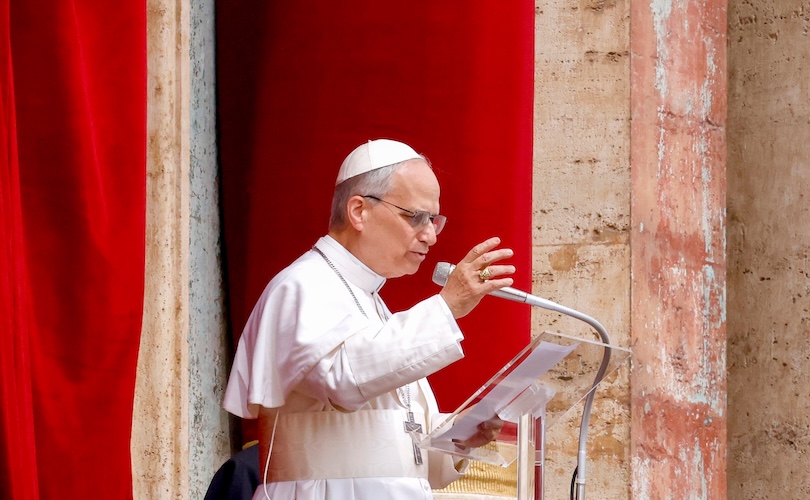
VATICAN CITY (LifeSiteNews) — Pope Leo XIV will celebrate the Mass of the Lord’s Supper at the Archbasilica of St. John Lateran on the evening of Holy Thursday during this year’s Holy Week, after this tradition was suspended by Pope Francis.
According to the official schedule published by the Prefecture of the Pontifical Household, Pope Leo will preside at the Mass in Coena Domini with the rite of the washing of the feet on April 2, in the Papal Archbasilica of St. John Lateran in Rome. Earlier the same morning he will celebrate the Chrism Mass at St. Peter’s Basilica, marking a return to a liturgical practice long associated with the cathedral church of the Bishop of Rome, latterly interrupted by Francis.
READ: Catholics pray Rosary in reparation for Charlotte bishop banning altar rails, kneelers
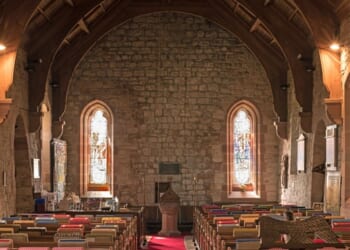
The Lateran Basilica is the cathedral of the Diocese of Rome and holds the title of Mater et Caput, “Mother and Head of all Churches in the City and the world” within Catholic tradition. The evening Maundy Thursday Mass commemorates the Last Supper of Jesus Christ with His disciples and includes, according to the Roman Missal, the optional rite of the washing of the feet, known as the Mandatum. The quintessential gesture of episcopal service – the bishop washing the feet of the faithful – carries a particular meaning when performed in his own cathedral, in the presence of the local Church.
Before Pope Francis reshaped the foot‑washing rite in a more sociological direction, this gesture had traditionally represented the bishop’s service toward priests of his diocese. This is also why the celebration of the Mass of the Lord’s Supper by the Pope has been preserved in Rome’s cathedral, symbolically linked more to his episcopal office than to his papal dignity.
The announcement has drawn attention because it marks a change from the approach adopted in recent years. From the first year of his pontificate, Pope Francis chose to celebrate the Holy Thursday Mass outside the Lateran Basilica, often in locations such as prisons, detention centres, or facilities for migrants and refugees. These celebrations were characterized by the late pope’s decision to perform the washing of the feet in settings associated with marginalized communities.
From 2013 to 2025, Pope Francis marked Holy Thursday with a distinctive and well-documented sequence of celebrations and gestures. In 2013, he celebrated the Mass of the Lord’s Supper at the Casal del Marmo juvenile detention centre in Rome; in 2014 at the “Santa Maria della Provvidenza” centre of the Don Gnocchi Foundation in Rome; in 2015 at the Rebibbia “New Complex” prison in Rome; in 2016 at the asylum seekers’ reception centre of Castelnuovo di Porto; in 2017 at the Paliano prison in the province of Frosinone; in 2018 at Rome’s Regina Coeli prison; and in 2019 at the Velletri prison near Rome.
In 2020, amid the COVID crisis, the Mass was celebrated at St. Peter’s Basilica rather than at the Lateran Basilica, without the rite of the washing of the feet, the offertory procession, and the reposition of the Blessed Sacrament. In 2021, the liturgy took place again at St. Peter’s Basilica, without the presence of the pope and without the foot-washing rite.
READ: Pope Leo XIV declares Jubilee Year of St. Francis for 800th anniversary of saint’s death
In 2022, Pope Francis returned to a prison setting, celebrating Holy Thursday at the new penitentiary complex of Civitavecchia; in 2023, at the Casal del Marmo juvenile detention institute again; and in 2024, at the Rebibbia women’s prison in Rome. In 2025, shortly before his death, Francis spent about half an hour in an unscheduled visit to Regina Coeli prison on his final Holy Thursday, while Cardinal Mauro Gambetti, acting on the pope’s delegation, presided over the Mass in Coena Domini at St. Peter’s Basilica.
As early as one year into his pontificate, on December 20, 2014, Pope Francis asked the then prefect of the Congregation for Divine Worship and the Discipline of the Sacraments, Cardinal Robert Sarah, to reform the rite of the washing of the feet in order to shift its emphasis from a sign linked to the priestly mandate to a gesture highlighting service to the marginalized. Following this request, the congregation (now dicastery) issued a decree modifying the rubrics of the Mandatum, removing the restriction to male participants and allowing the feet of women and, more broadly, of “members of the People of God,” to be washed during the Mass of the Lord’s Supper.