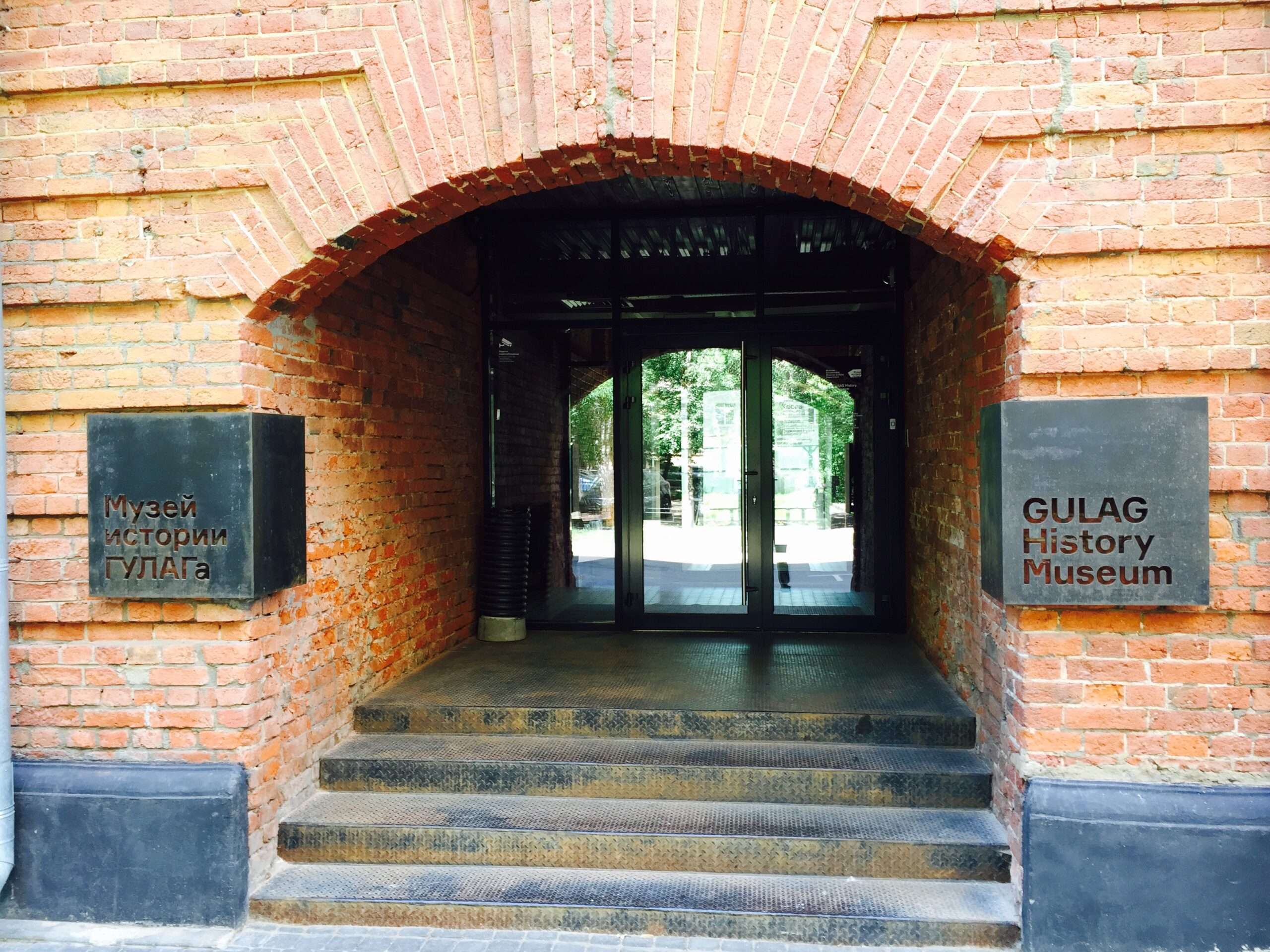
The Gulag History Museum in Moscow has been permanently closed. I wrote about my 2016 visit to the museum dedicated to detailing the brutalities experienced by 15 million to 18 million Soviet citizens imprisoned and 1.5 million murdered by the communist regime in the USSR’s vast system of forced labor camps. Only after dictator Josef Stalin’s death in 1953 were the gulag system’s 300 prisons and 1,700 prison colonies closed. The Gulag History Museum opened in 2015 as “a center for studying, comprehending, and openly discussing the history of mass repression in the USSR.” No longer.
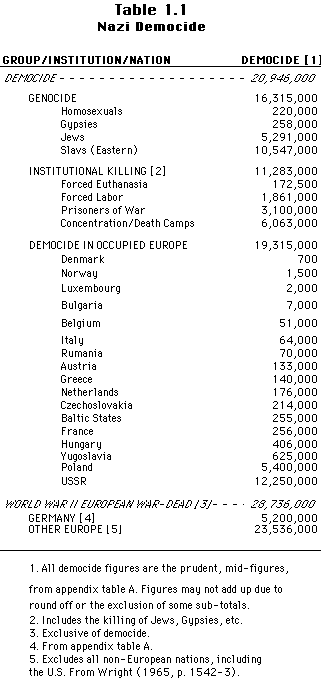
The museum will be replaced by one focusing on Nazi war crimes and the “genocide of the Soviet people.” And doubtlessly, the people living in the USSR suffered immensely from Nazi atrocities during World War II. The University of Hawaii’s democide (Death by Government) database estimates that the Nazi invasion killed more than 12 million Soviet citizens during that war. Those sacrifices and deaths should certainly be memorialized.
However, that same database estimates the Soviet democide at nearly 55 million Soviet citizens who died between 1917 and 1987 of famine, state terror, deportation, and in concentration and labor camps. Later, The Black Book of Communism calculated a lower estimate of 20 million Soviet citizens killed by their government. The now-canceled museum honored those lost lives.
In George Orwell’s dystopian novel, 1984, Winston Smith, an editor in the Ministry of Truth, has a dark epiphany:
Who controls the past, controls the future: who controls the present, controls the past….The mutability of the past is the central tenet of Ingsoc [the totalitarian ruling party in the novel]. Past events, it is argued, have no objective existence, but survive only in written records and in human memories. The past is whatever the records and the memories agree upon. And since the Party is in full control of all records, and in equally full control of the minds of its members, it follows that the past is whatever the Party chooses to make it.
As historian Nikita Sokolov explained in The New York Times: “Any reminder of the crimes of the Russian state is very inconvenient for the current authorities. A victorious people can only have a victorious history—there should be no dark pages in it.”
The erasure of the Gulag History Museum demonstrates that Soviet and Russian history is now whatever Russian President Vladimir Putin and his mafia of authoritarian thugs want it to be.