The number of families set to lose a key inheritance tax relief is projected to quadruple by the end of the decade as more estates breach the £2million threshold.
By 2030/31, more than 16,000 estates are expected to exceed £2million in value, triggering the withdrawal of the £175,000 residence nil rate band, according to analysis based on HM Revenue and Customs (HMRC) data.
That compares with 3,620 households affected by the taper in 2022-23.
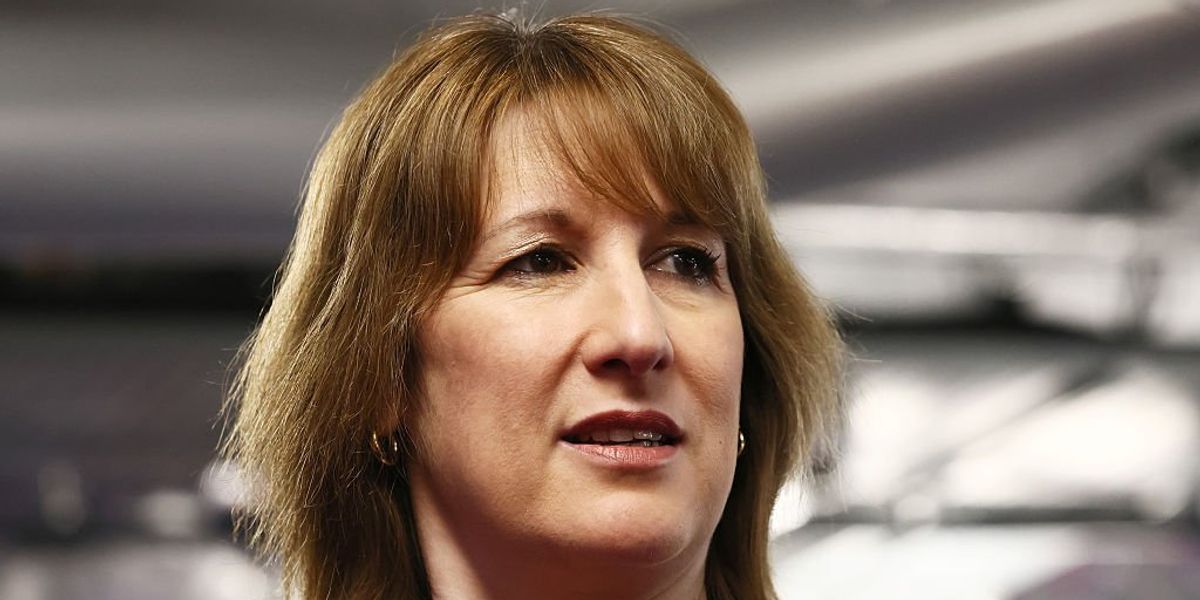
The increase is being driven by a combination of frozen tax thresholds, rising property prices and changes announced by Chancellor Rachel Reeves to bring unused pension savings within the inheritance tax framework from April 2027.
Wealth manager Quilter, which conducted the research, estimates estates currently worth £900,000 or more could be pushed above the £2million limit once pension assets are included in calculations.
Under existing rules, individuals can pass on £325,000 free from inheritance tax.
That allowance rises to £500,000 when a main residence is left to direct descendants, due to the additional £175,000 residence nil rate band.
However, the enhanced allowance only applies where an estate is valued below £2million.

Fourfold rise in households breaching £2million threshold forthcoming
|
GETTY
For estates above that level, the residence nil rate band is reduced by £1 for every £2 over the threshold.
The relief is fully withdrawn once the estate reaches £2.35million for a single person.
Married couples and civil partners can inherit unused allowances from their spouse, enabling them to pass on up to double the tax-free amount.
For couples, the residence nil rate band is fully tapered away when combined estate values reach £2.7million.

Estates are likely to be hit by the double whammy of pension being brought into scope for inheritance tax
|
GETTY
Shaun Moore, tax and financial planning expert at Quilter, said: “Many estates are likely to be hit by the double whammy of pension being brought into scope for inheritance tax and frozen tax allowances, and it is a tax that is going to increasingly impact estates, with the number caught out expected to rise.”
He added: “People will need to carefully manage their inheritance tax liability as a result, and while pensions used to be the last thing you would touch during your retirement when it came to drawdown, they may soon be the first you want to use.”
Sean McCann, chartered financial planner at NFU Mutual, said: “A single person with a £2million estate including a £500,000 pension currently faces a £600,000 inheritance tax charge, but from April next year that same estate would attract a bill of £870,000.”
Quilter estimates around 6,400 estates will newly exceed the £2million threshold once pension assets are brought within the inheritance tax regime.
 £26billion in tax raids has seen the UK’s tax burden projected to rise to a post-war record 38 per cent of GDP by 2030, according to the OBR | GB NEWS/OBR
Inheritance tax receipts are forecast to rise sharply in the coming years.
According to projections from the Office for Budget Responsibility (OBR), annual receipts are expected to reach £14.5billion by 2030-31.
That would represent more than double the £6.7billion collected in 2022/23.
The OBR has also noted that the average pension pot held by retirees stands at £109,400.
David Little, tax expert at wealth manager Evelyn Partners, said: “Advance planning is essential when looking to reduce the impact of inheritance tax, and making lifetime gifts alongside the natural spending of wealth and using available allowances can all play an important role.”
He added: “In certain situations, deathbed gifting can also be valuable.”