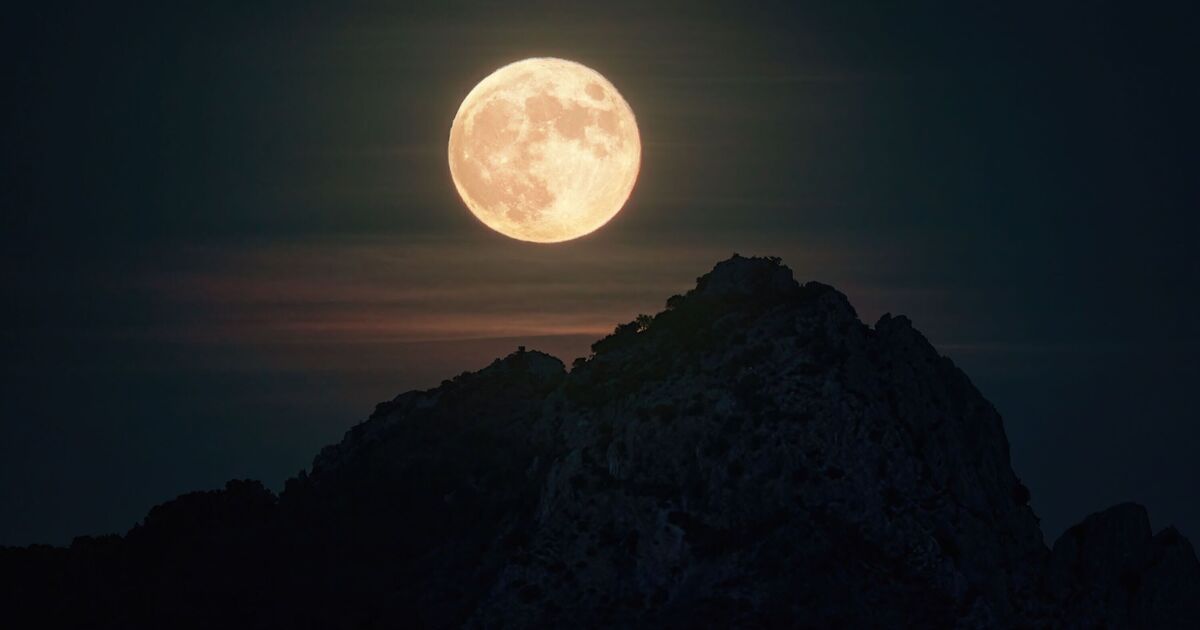
A striking Snow moon is all set to light up the UK skies from tonight to Monday, February 2 as it marks the final full moon of this winter season. The term “snow moon” is a long‑standing name for February’s full moon, inspired by the heavy winter weather typical in parts of the Northern Hemisphere. Many cultures use comparable lunar names that highlight the natural rhythms and seasonal changes experienced throughout the year
The ideal moment to view the lunar display is estimated to be around 4:06pm, although the exact timing will differ based on your location. The Snow Moon — sometimes called the Hunger Moon — will shine at its peak at 10:09pm, even though it will be positioned just beneath the horizon at that time, reports North Wales Live.
The Met Office has said that a few clear spells over Newcastle will allow the odd patch of mist or fog to form. Cloud will thicken making hill fog likely – which may affect viewing in certain areas.
On Monday, it will remain cloudy with outbreaks of rain or drizzle that are persistent at times.
Astronomers at Sky and Earth say this month’s full moon will be especially eye-catching. It will appear close to the Beehive Cluster, a beautiful open star cluster visible with binoculars, while Regulus, the bright “heart” of the Leo constellation, should shine just below the moon.
The next full moon will not appear until March 3.
This Snow Moon marks the final full moon of the winter and comes after several striking celestial events, including recent displays of the Northern Lights and January’s Wolf Moon.
As it rises at sunset, it will look unusually large and golden because of an optical illusion created when the moon sits low on the horizon, though it will still appear full on both nights.
Its traditional name reflects February’s heavy snowfall and is often linked with themes of renewal and fresh starts.
Although most years have 12 full moons, this year will include an uncommon 13th, known as a Blue Moon.