More than 35,000 veterans are homeless in the United States, according to recent federal housing data, and more than 15,500 of them were living unsheltered on the streets, in vehicles, or in places not meant for human habitation. Unsheltered veteran homelessness jumped 14 percent in a single year, while overall veteran homelessness rose 7 percent.
At the same time, the Department of Veterans Affairs’ own most recent suicide report shows that 6,392 veterans died by suicide, with a rate of 33.9 per 100,000 compared with 16.7 among non-veterans. Even after adjusting for age and sex, the veteran rate was nearly 72 percent higher, while the rate among women veterans rose by more than 24 percent in a single year.
These are the most recent nationwide indicators available, and they show that even as oversight continues into 2026, the system is not delivering results that match its size or cost.
Read More: ‘Your Bills Don’t Get Cut in Half’: Lawmakers Push to Double Benefits for Gold Star Families
Veterans’ New Second Amendment Victory: VA Halts Fiduciary-Based Firearm Bans
Congress has been hearing these warnings for years, even as the system continues to expand.
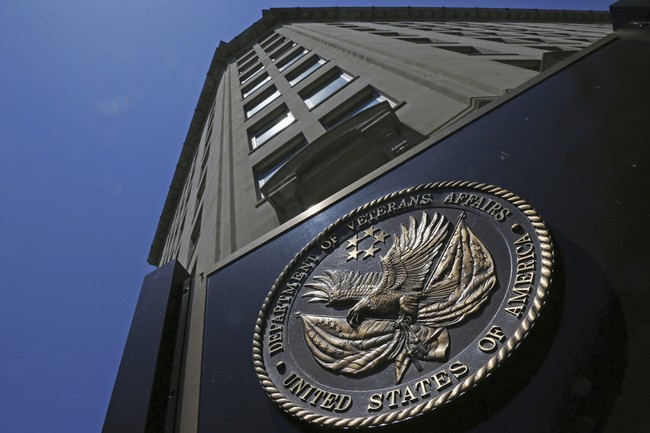
The Department of Veterans Affairs employs roughly 412,000 people and is backed by a fiscal year 2026 budget request of $441.3 billion. Even with that scale, the Government Accountability Office (GAO) told Congress in March 2026 that core problems in how the department delivers care remain unresolved, echoing warnings it has raised for years.
GAO reported that many VA facilities still lack the staffing needed to manage community care referrals, even as key recommendations remain unimplemented years after they were issued. The department has yet to define how quickly veterans should receive care once referred outside the system. Referral coordination remains uneven, communication between central offices and local facilities continues to break down, and recommendations issued as far back as 2020 remain only partially implemented or still open.
“VHA facilities did not always have the staffing needed to manage community care referrals… and VA has not established a time frame for when veterans should receive care.”
This is a failure of basic execution, and the consequences show up in the data: rising homelessness, elevated suicide rates, and a system that still cannot do the basics well. And after years of spending increases, staffing growth, and promised reform, those outcomes are not abstract. They are measurable.
In Sarasota, Florida, a 10-unit housing development is doing something a $441 billion federal system has struggled to accomplish at scale: moving veterans from homelessness into stable housing.
Heroes’ Village was built through a partnership between local government, philanthropy, and nonprofit operators rather than through a large federal initiative. Its impact is immediate because the structure is simple.
“I lived under a palm tree in a tent for 3 weeks. I needed a solid home base… [Heroes’ Village] gave me a solid platform to build off of.”
That kind of stability is the difference between crisis and recovery for veterans trying to rebuild.
“Having the time to not have to worry so much about rent and bills… has enabled me to concentrate on finally finding something that’s a career… and taking care of my health.”
Remove the immediate barriers, and progress becomes possible.
Meanwhile, a federal system with vast resources continues to struggle with staffing, coordination, and timelines, while smaller local efforts are removing the barriers that keep veterans from stabilizing their lives.
The pattern does not stop at housing. Local organizations are stepping in to provide services the VA does not consistently cover, including dental care that many veterans cannot access unless they meet strict eligibility rules. Those gaps directly affect whether veterans can work, maintain stability, and move forward.
At that point, the issue is no longer complexity; it is execution.
The United States has built an enormous system to serve veterans, one that continues to grow while failing to deliver the outcomes it was built to achieve. Yet the most recent data still shows more than 35,000 veterans without housing, suicide rates far above the national average, and a federal watchdog warning that core operational issues remain unresolved. That’s a problem.
Editor’s Note: The mainstream media continues to deflect, gaslight, spin, and lie about President Trump, his administration, and conservatives.
Help us continue to expose their left-wing bias by reading news you can trust. Join RedState VIP and use promo code FIGHT to get 60% off your membership.