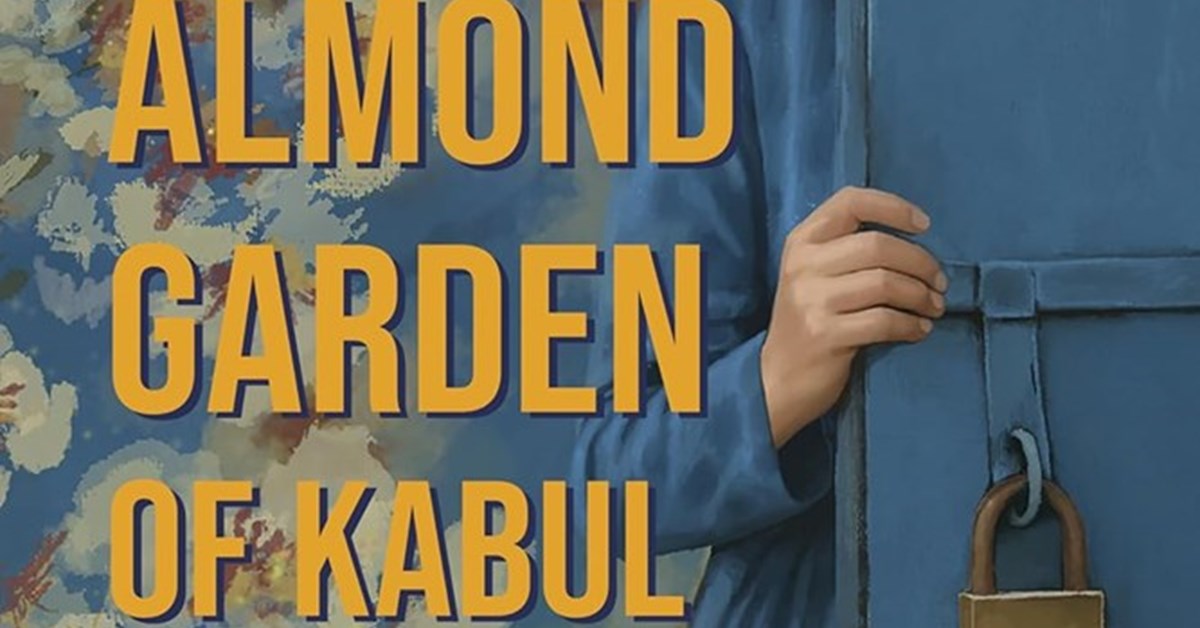
“BADAM BAGH” means “Almond Garden” in Dari, the Persian dialect that, alongside Pashto, serves as the lingua franca among Afghanistan’s many ethnicities. It is also the name of Kabul’s notorious women’s prison. Set up in 2007, it was meant to serve as a model institution, but rapidly became mired in scandals relating to allegations of sexual abuse and physical brutality.
Most prisoners should never have been there. They were jailed, usually on flimsy evidence, for (so called) “moral crimes”. Women who reported rape to police found themselves locked-up for “adultery”, as did those fleeing from violent husbands.
Mandana Hendessi is a British-Iranian women’s-rights campaigner who worked with inmates from 2013 to 2015, helping them to navigate Afghanistan’s chaotic legal system. Hendessi has, however, chosen to fictionalise her account.
The plot centres on a small group of prisoners (Sultan, Sutara, and Sheyda) seeking to expose a trafficking enterprise run by prison management. The latter involves young women being snuck out of the prison by guards in order to be drugged and raped by powerful businessmen and politicians.
Two motifs recur throughout. The first is fire, and the second is the eponymous almond trees in the prison’s courtyard, survivors of the orchard that preceded the institution’s construction.
Fire is ambiguous. Nilofaar, a victim of the trafficking ring, sets herself alight in the courtyard, seeking to end her mental torment and draw attention to the abuse. Yet, in Afghanistan, fire also has a sacred significance — symbolising life and truth in the country’s older Buddhist tradition, and divine power in its Zoroastrian one. Fire is present symbolically both within the burning rage that drives Sultan and the beautiful charcoal drawings made by Sutara. The contrast between the colourful almond blossoms and the grey prison walls that surround them, meanwhile, stands for the resources that each prisoner is able to find within herself.
This book isn’t a comfortable read, given the violent subject matter, but it pursues a powerful moral good: that of ensuring that the stories of Badam Bagh’s women are not forgotten now that the world’s attention has moved on, and the Western powers have abandoned Afghanistan’s people to their fate.
The Revd Alexander Faludy is a freelance journalist based in Budapest.
The Almond Garden of Kabul
Mandana Hendessi
Afsana Press £14.99
(978-1-0684958-0-9)
Church Times Bookshop £13.49