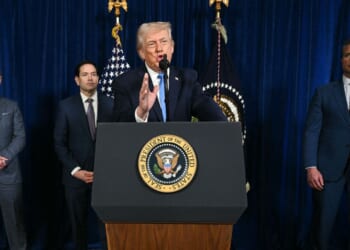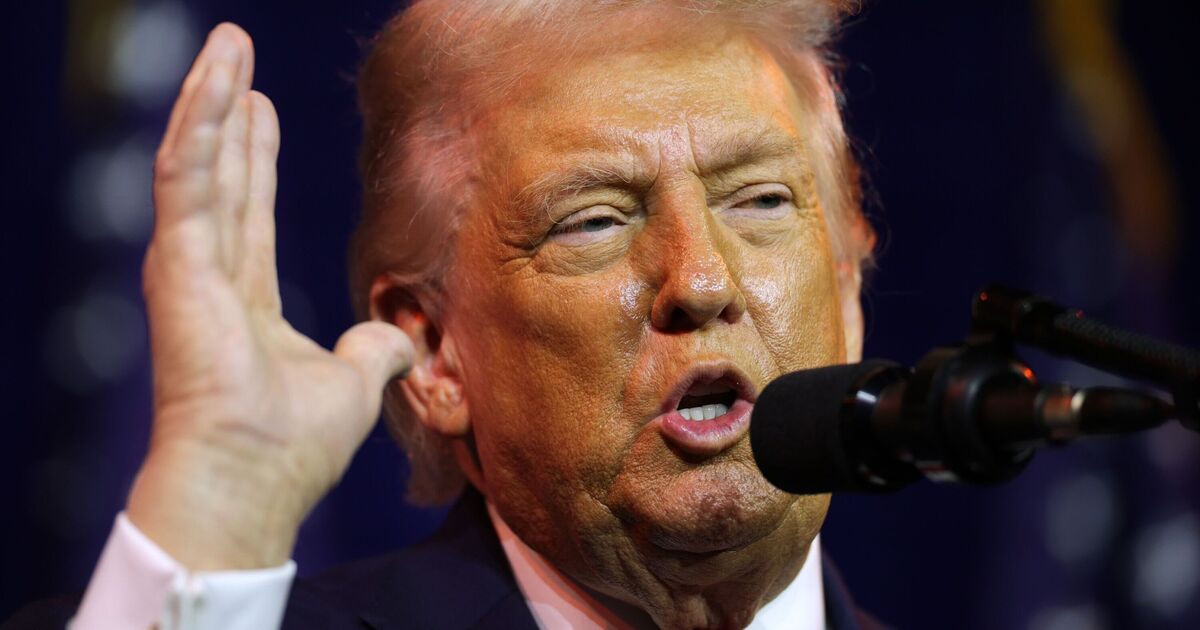
Donald Trump has issued a stark new warning to Cuba, declaring that the island nation – a long-time close ally of deposed Venezuelan leader Nicolas Maduro – is now isolated and vulnerable following the dramatic US-led operation that removed Maduro from power. In a series of fiery social media posts from Mar-a-Lago over the weekend, Mr Trump emphasised that Cuba would no longer receive the vital oil shipments and financial support it once relied upon from Venezuela.
Mr Trump wrote: “Cuba long lived off Venezuelan oil and money and offered security in return. BUT NOT ANYMORE! THERE WILL BE NO MORE OIL OR MONEY GOING TO CUBA – ZERO!” Mr Trump urged Cuban leaders to “make a deal, BEFORE IT IS TOO LATE,” without specifying the terms of any potential agreement. His comments come amid reports that US forces have continued intercepting tankers involved in Venezuelan oil exports, effectively choking off the lifeline that has sustained Cuba’s economy for years.
For more than six decades, Cuba has occupied a unique and contentious place in American foreign policy. The 1959 Cuban Revolution brought Fidel Castro to power, ushering in a communist government that quickly aligned itself with the Soviet Union.
Tensions peaked in 1961 with the failed Bay of Pigs invasion – a CIA-backed attempt by Cuban exiles to overthrow Castro that ended in humiliation for the United States.
The following year, the world came closest to nuclear war during the Cuban Missile Crisis, when Soviet missiles were discovered on the island, prompting a 13-day naval blockade by President John F Kennedy.
The crisis was resolved only after intense negotiations, with the Soviets removing the missiles in exchange for a US pledge not to invade Cuba and the secret withdrawal of American missiles from Turkey.
Since then, the US has maintained a comprehensive economic embargo against Cuba – known on the island as the “blockade” – while Havana has repeatedly condemned it as the root cause of its economic hardship. These historical grievances continue to shape the deep mistrust between Washington and Havana, a mistrust that Mr Trump’s latest rhetoric appears determined to exploit.
The backdrop remains stark. Last weekend’s US military action in Caracas resulted in Maduro’s capture, with the Venezuelan leader now facing charges in New York.
Cuba’s government reported that 32 of its military and security personnel were killed during the operation. These individuals, drawn from Cuba’s principal security agencies, had been stationed in the Venezuelan capital under a bilateral agreement providing protection and intelligence support in exchange for discounted oil.
Mr Trump was unapologetic, stating: “Venezuela doesn’t need protection anymore from the thugs and extortionists who held them hostage for so many years. Venezuela now has the United States of America, the most powerful military in the world (by far!), to protect them, and protect them we will.”
In a pointed response to a social media suggestion that his Secretary of State, Marco Rubio, could become president of Cuba, Mr Trump added: “Sounds good to me!”
Cuba’s President Miguel Diaz-Canel hit back swiftly on X, accusing those who “turn everything into a business, even human lives” of lacking the moral authority to criticise his country.
President Diaz-Canel defended Cuba’s revolutionary model and blamed US-imposed “draconian measures” for the island’s severe economic shortages, including widespread blackouts, fuel queues, and empty supermarket shelves – problems that had already deepened Cuba’s worst crisis in decades before Maduro’s fall.
The Cuban government has long argued that US sanctions have inflicted enormous damage, estimating losses exceeding £5.6billion ($7.5 billion) between March 2024 and February 2025 alone. With Venezuelan oil now cut off, analysts warn that blackouts and shortages could intensify, potentially fuelling unrest on the island.
Mr Trump has previously predicted Cuba’s economic collapse, stating bluntly: “It’s going down. It’s going down for the count.” While he has mused about other potential targets in the region – from Colombia’s drug issues to Greenland’s strategic value – his latest broadsides single out Cuba as the immediate focus, portraying it as a regime on the brink now that its principal benefactor has been neutralised.
As tensions escalate, the question hanging over Havana is whether economic pressure alone will suffice, or whether Mr Trump’s aggressive rhetoric signals something more direct. For now, Cuba stands warned: with Venezuelan support severed and American forces emboldened, the clock may be ticking faster than ever.