New York City Mayor Zohran Mamdani has proposed government-run grocery stores to make food cheaper, which ignores that the retail grocery sector operates with razor-thin profit margins. This week, Polymarket and Kalshi made headlines for their charitable grocery initiatives, but nonprofits have been dutifully feeding needy New Yorkers for decades.
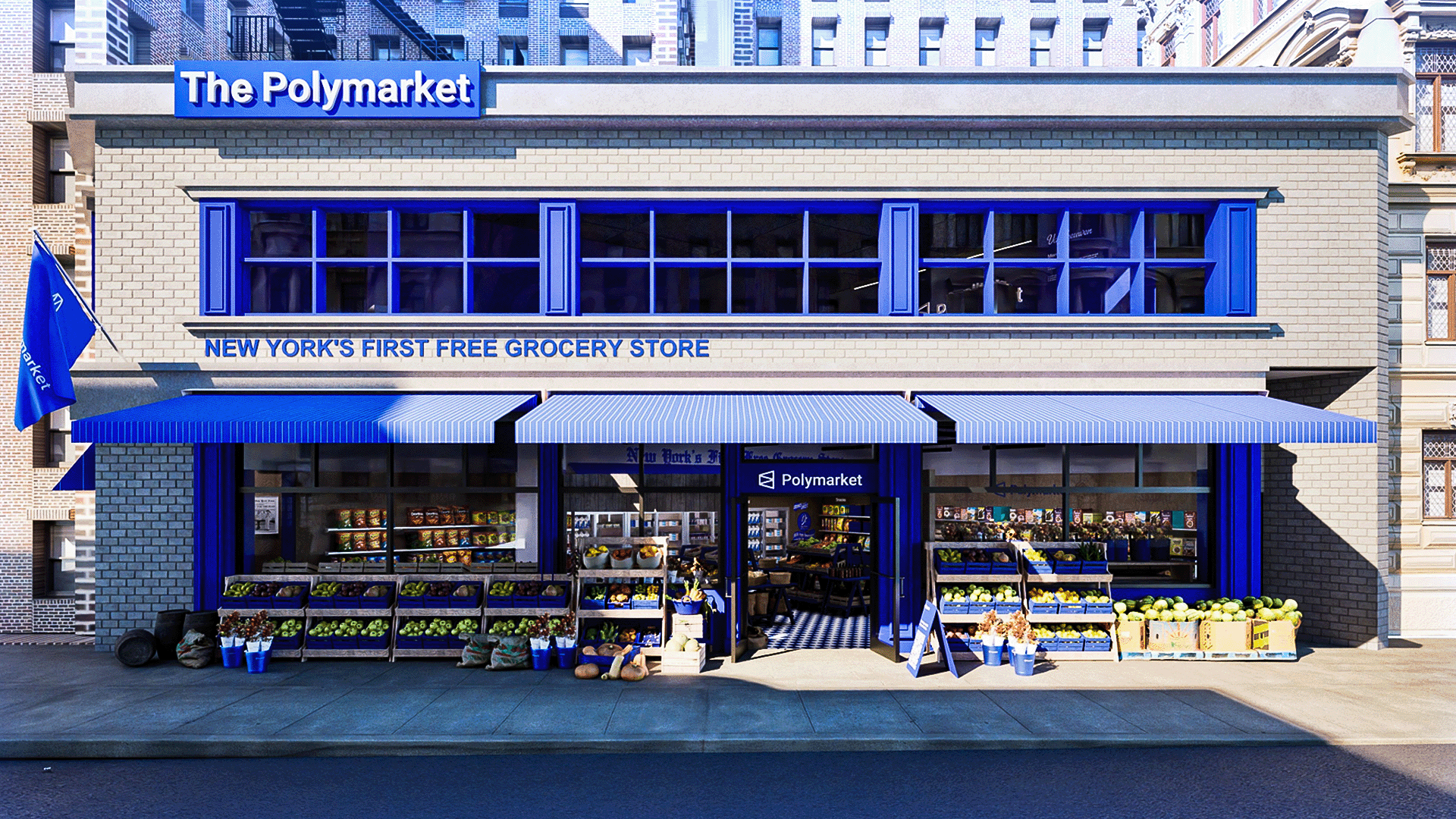
Polymarket, the largest prediction market platform in the world, announced Tuesday it had donated $1 million to Food Bank for NYC. It also unveiled New York’s first free grocery store: The Polymarket. The store, which began construction last month, will open next week for five days, according to the company. That same day, rival prediction market platform Kalshi hosted an event covering the first $50 spent by grocers at Westside Market’s East Village location, which lasted three hours and created a line four blocks long.
These laudable acts of charity led one popular Twitter user to quip, “capitalism provides free groceries before socialism does.” While the private sector has a glowing record of providing food to the hungry, the prediction market companies’ one-off acts of charity and free grocery stores are not the best examples of this phenomenon. In fact, contemporary nonprofits have been feeding hungry New Yorkers since the 1980s, and religious communities and mutual aid organizations have been performing this and other acts of charity for much longer.
Food Bank for NYC was founded in 1983 and established a community kitchen in West Harlem that served 130 dinners a day in 1985. In 2001, it launched a fleet of 12 trucks to deliver “hundreds of thousands of pounds of food daily,” which expanded in 2022. By 2023, the Food Bank for NYC served more than 67 million meals and provided over 26 million pounds of fresh produce to New Yorkers. Less than 20 percent of the $196 million of support the nonprofit received in FY 2024 came from government contracts; the majority consisted of privately donated food and other in-kind donations.
Remarkably, Food Bank for NYC is not even the largest charitable organization serving hungry New Yorkers.
City Harvest, founded in 1982, delivered “more than 86 million pounds of high-quality food from local and national sources that would otherwise go to waste…to hundreds of food pantries and soup kitchens across the five boroughs” in 2025. Of its $205 million in total public support (including revenues and net assets) for FY 2024, government grants totaled about $4.4 million. God’s Love We Deliver, founded in 1985, comprises more than 20,000 volunteers who prepare and “deliver more than 17,000 meals each weekday, to clients in all five boroughs, Hudson County, New Jersey and Westchester, Suffolk, and Nassau Counties.” Less than 10 percent of its $46 million in total revenues, gains, and other support in FY 2024 came from government grants.
These nonprofits, alongside some 800 estimated food pantries and soup kitchens, show that food charity is much more extensive than Polymarket’s and Kalshi’s recent acts of charity. New Yorkers have been donating their time, energy, and money to support their neighbors for decades. They don’t need government-run grocery stores.