“THE heartbeat of the Gospel of John”, the author quotes, “is to be found in its Christology.” The aim of this Gospel is to show what God is by presenting what God is in incarnate form. This book starts with a caution that the warning statements about supporters of Jesus being put out of the synagogue do not indicate anti-Semitism: rather, “the Jews” is an artificial construct presenting a Judaism that searches the scriptures but will not come to Jesus personally.
John is sophisticated enough to use a range of rhetorical techniques well-known in Judaism and Hellenistic drama and literature, such as the long reflective monologues, dialogue (Jesus and Nicodemus, Jesus and the Samaritan woman), farewell discourse, and irony (the mockery of Jesus in the Passion story). An unusual and welcome characteristic of these and other discussions is the preference for feminine research and references, which gives the whole book an unusual delicacy.
The author gives due credit to the great scholars who have initiated trends, but is also alert to precious detailed findings by a host of female scholars (especially, picking up numerous hints from the 2018 Oxford Handbook of Johannine Studies), not least with regard to birth and conception. It is, however, hard to believe that the plural of “bloods” in John 1.13 constitutes any careful allusion to primitive theories about the formation of the human foetus (pp. 137, 140-143).
There is no doubt that the jewel of the book is chapters 5 and 6, on “Jesus’s Unique Identity” and “The World in Need of Rescue” (from “the Ruler” who stands for and champions all that enslaves the world to evil). Everything that Jesus says and does indicates and reveals God’s love. There are many noble passages on Jesus’s divinity and how he presents himself, taking for himself a host of scriptural figures whom he surpasses, but who nevertheless give meaning to his claims.
Jesus is the personification of truth, wisdom, and light; on another level, he is the shepherd, the vine, the water of life: all scriptural images of the divine, communicated to humanity and yet standing for the divine. The significance of these figures and of the context in which they occur is clear to the reader, but, paradoxically, not understood by the characters who hear them.
Two final chapters on the place of the Gospel among the other writings attributed to John and on John’s place in Christian history are too rich as afterthoughts for this book, but provide plenty of questions for future studies.
Fr Henry Wansbrough OSB is a monk of Ampleforth, emeritus Master of St Benet’s Hall, Oxford, and a former member of the Pontifical Biblical Commission.
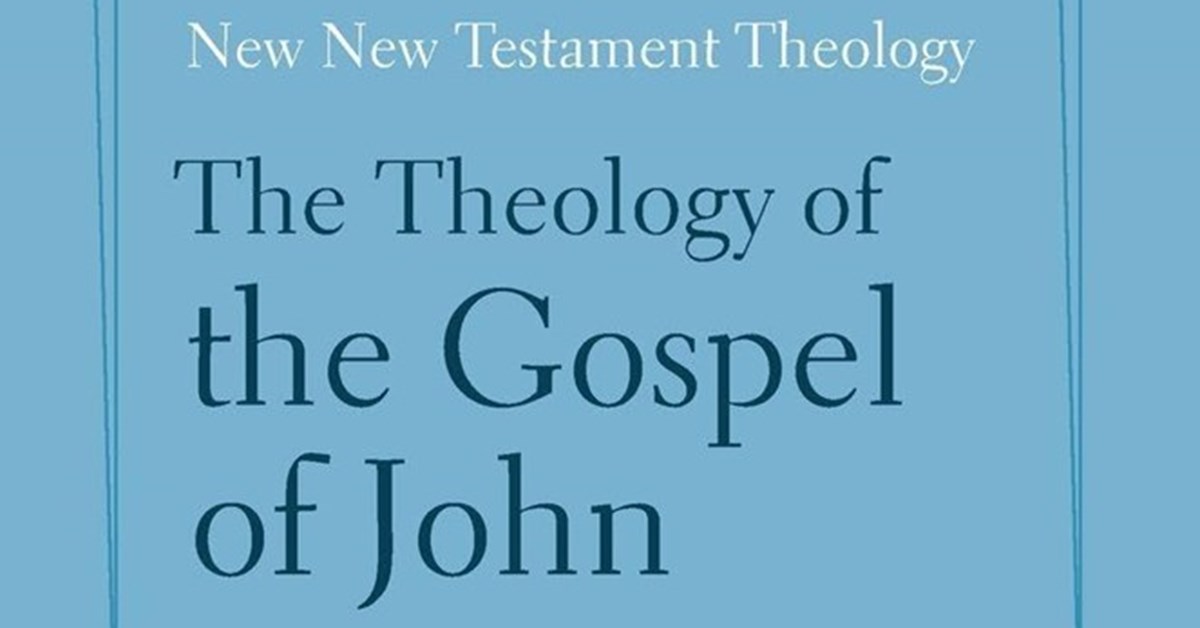
The Theology of the Gospel of John
Alicia D. Myers
Cambridge University Press £22.99
(978-1-108-79189-2)
Church Times Bookshop £20.69