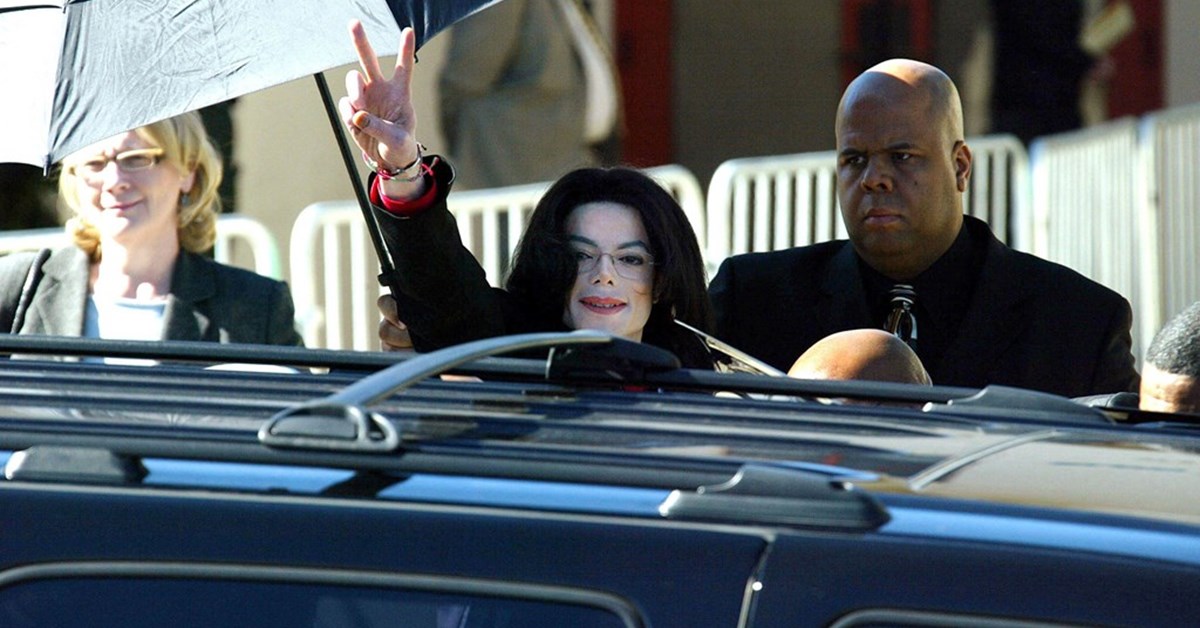
MICHAEL JACKSON: The trial (Channel 4, all episodes streaming now) is a four-part documentary exploring the background to the singer’s 2005 trial for child molestation. Jackson, who died in 2009, was acquitted on all charges, but this series contains footage and audio recordings never broadcast before. To the sceptical among us, they provide further evidence of deeply disturbing behaviour and attitudes towards children.
The series is well researched and manages to avoid much of the sensationalism that often surrounds the megastar, painting a picture that is sobering and sordid. Everything about him, from the high-pitched voice (quite unlike the one that appears on the audio tapes) to his repeated appeals to his own goodness, points to the cultivation of a childlike vulnerability that prevented many people from stating the obvious: that it is deeply unhealthy for an adult man to spend so much time alone with children who are not related to him.
The musical biopic of his life, Michael, is released in April; so, as his estate continues to milk the cash cow of his memory, it feels important for there to be a strong counter-narrative. Whatever his talent, he was a man who admitted, to journalists and in the trial records, that he had repeatedly shared his bed with numerous unrelated young boys.
That his fans still defend his actions as the blameless behaviour of a man who never grew up is illustrative of how abuse is made possible when people are given a unique, deferential status. This is true whether the perpetrator is an influential financier like Jeffrey Epstein, a megastar like Jackson — or, indeed, a priest.
I didn’t study William Golding’s 1954 classic Lord of the Flies (BBC1, Sunday, first of four episodes) for GCSE, as my school had us read the less well-known radio play Unman, Wittering and Zigo. There are striking similarities between the two: the nastiness of group dynamics, the grim fate of the scapegoat, the slide towards cruelty when rules are compromised, and the self-pitying descent into tearful regret when the adults return. I see now why schools might be so committed to teaching both these texts.
This latest version, retold by Jack Thorne, takes a character-driven approach by focusing on a different perspective for each episode. Episode one hones in on the doomed figure of Piggy. Anyone who has experienced bullying will recognise the capricious viciousness that he is subjected to, predictably led by a dominant ringleader with a fragile ego. Piggy — in contrast, kind and thoughtful — provides the moral conscience of the group.
The pace is a little clunky and disjointed at times, but the cast perform superbly, particularly Jack, who is intensely unlikeable. It is worth watching, if only to consider if adults would behave differently if placed in the same circumstances.