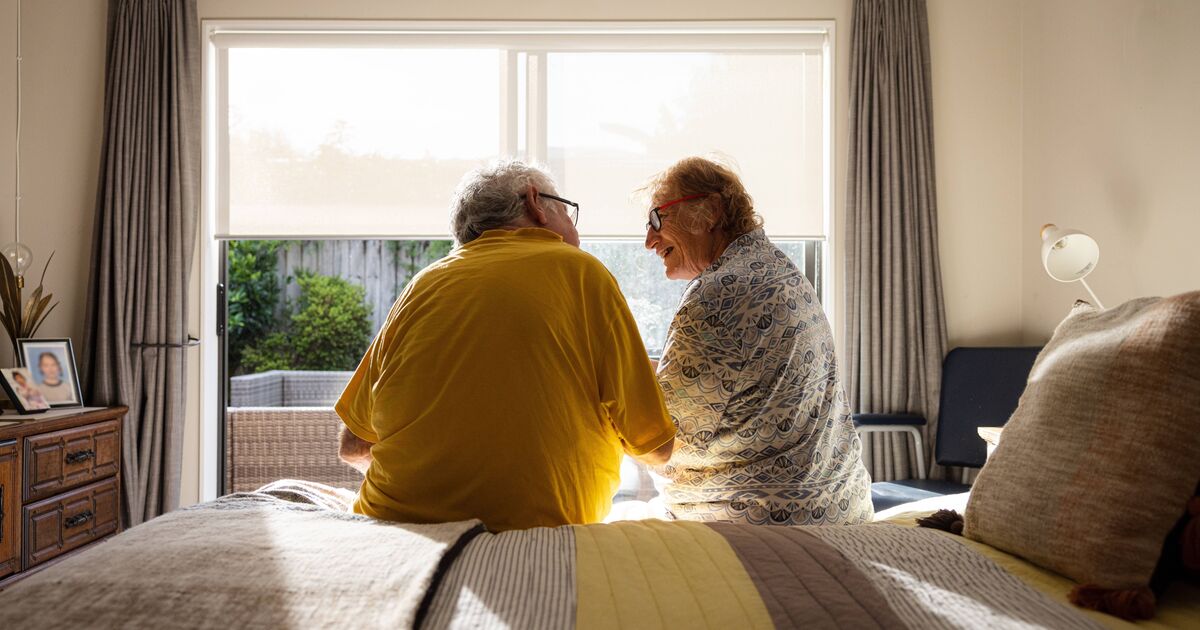
Research has found a connection between dementia and another condition (Image: Jessie Casson via Getty Images)
Health experts have issued a warning that three warning signs upon waking could indicate an elevated risk of dementia. A common sleep disorder, believed to affect 10 million people across Britain, can briefly starve the brain of oxygen, which may contribute to cognitive deterioration.
Research published in the Nature Communications journal in 2022 established a connection between obstructive sleep apnoea and a heightened dementia risk. Scientists from the University of Queensland in Australia also identified a causal link between reduced oxygen levels in the brain during sleep and neurodegenerative conditions.
Study author Professor Elizabeth Coulson explained: “We found sleep deprivation alone in mice caused only mild cognitive impairment. But we developed a novel way to induce sleep-disrupted breathing and found the mice displayed exacerbated pathological features of Alzheimer’s disease. It demonstrated that hypoxia – when the brain is deprived of oxygen – caused the same selective degeneration of neurons that characteristically die in dementia.”
The study did not, however, establish how different levels of hypoxia influence the likelihood of developing the condition. Human trials are set to commence to investigate the link between oxygen deprivation and cognitive impairment, reports Surrey Live.
Professor Coulson elaborated: “It’s estimated around 50 percent of elderly people have obstructive sleep apnoea when their throat muscles intermittently collapse and block the airway during sleep causing their breathing to stop and start.”
The Sleep Apnoea Trust estimates that up to 10 million Brits are living with the most prevalent type of the disorder, known as Obstructive Sleep Apnoea (OSA). It reveals: “In Britain it is estimated that up to 10 million adults are affected by Obstructive Sleep Apnoea and 4 million have life-changing symptoms, such as excessive sleepiness during waking hours. Only approximately 700,000 are currently diagnosed.”
The most common signs include frequent snoring, gasping for air, and silent breathing pauses that may last seconds to minutes. However, more obvious signs may emerge when “waking up”.
According to WebMD, these include:
- Waking up with a very sore or dry throat
- Morning headaches
- Dizziness when you wake up
The NHS defines sleep apnoea as a condition characterised by intermittent cessation and resumption of breathing during sleep. While episodes of sleep apnoea are unlikely to cause serious harm, neglecting to treat the condition can lead to more severe complications.
Professor Coulson clarified that not everyone with obstructive sleep apnoea will develop dementia. “Some dementia clinicians have reported their patients’ memory has improved after their sleep problems were identified and treated,” she stated.
Currently, the most effective treatment for obstructive sleep apnoea is a continuous positive airway pressure machine (CPAP). This device functions by maintaining an open airway during sleep, ensuring oxygen can reach the brain.
Scientists believe this equipment could potentially lower dementia risk in sleep apnoea patients. “We couldn’t fit CPAP to mice, but we experimentally prevented the hypoxia and this stopped the cognitive impairment and neuron death, and also reduced the Alzheimer’s pathology,” Professor Coulson said. This suggests that CPAP treatment of obstructive sleep apnoea has the potential to reduce dementia risk.”
Sleep apnoea is also associated with other severe health conditions, including high blood pressure, heart disease and stroke. This occurs because sleep apnoea causes blood oxygen levels to drop dramatically when breathing stops, which increases pressure within the blood vessels.
The NHS advises consulting your GP if you experience any of the primary symptoms of sleep apnoea, such as:
- Your breathing stops and starts while you sleep
- You make gasping, snorting or choking noises while you sleep
- You always feel very tired during the day