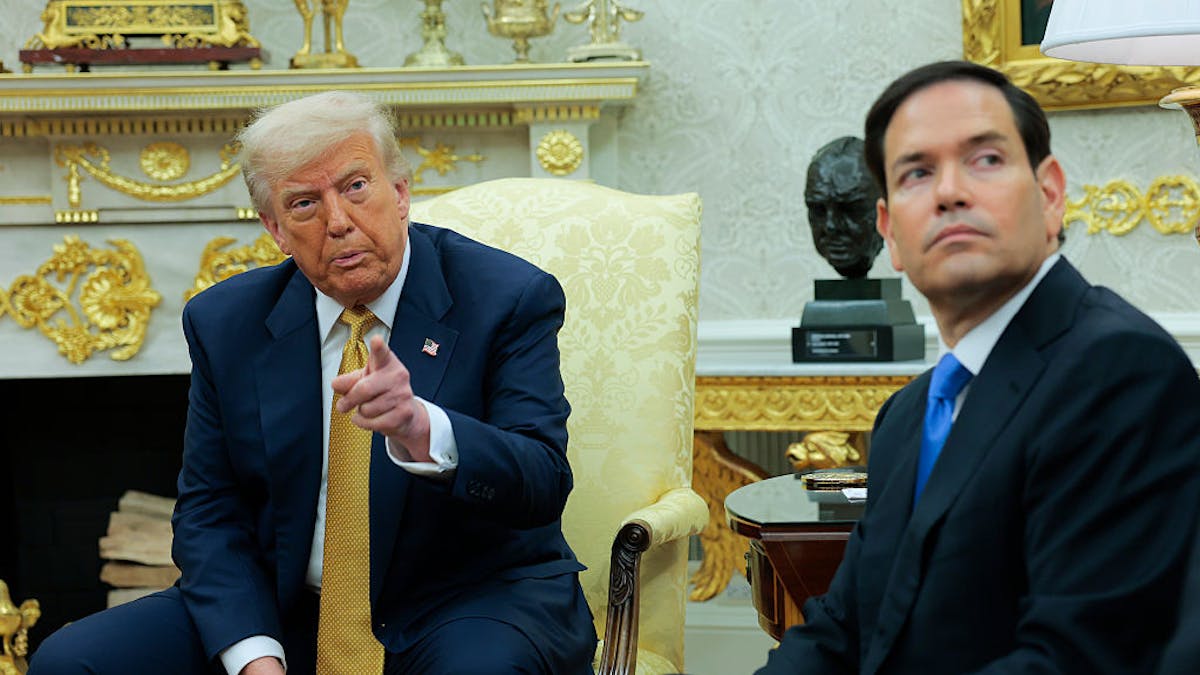
President Donald Trump on Thursday signed an executive order declaring a national emergency over the Cuban regime, authorizing new tariffs on goods from countries that sell or otherwise provide oil to Cuba. The administration cited threats to national security and foreign policy.
The order establishes a tariff system allowing the United States to impose additional duties on imports from any country that directly or indirectly supplies oil to the communist government in Havana. The measures are intended to counter Cuba’s “malign actions and policies” and hold the regime accountable for supporting hostile actors and fueling regional instability.
Under the order, the Secretaries of State and Commerce are authorized to take all necessary actions, including issuing rules and guidance, to implement the tariff system and related measures. The president may modify the order if Cuba or affected countries take significant steps to address U.S. security concerns or align with American foreign policy objectives.
The White House said the Cuban regime poses an “unusual and extraordinary threat” to the United States, citing Havana’s alignment with hostile nations and its role in hosting foreign military and intelligence operations. According to the administration, Cuba hosts Russia’s largest overseas signals intelligence facility, which is focused on collecting sensitive U.S. national security information.
The order also cites Cuba’s support for transnational terrorist organizations, including Hezbollah and Hamas, and accuses the regime of undermining U.S. sanctions and destabilizing the Western Hemisphere. The administration further accused Havana of persecuting political opponents, suppressing free speech and press freedoms, and profiting from corruption while exporting communist ideology throughout the region.
Secretary of State Marco Rubio reinforced the administration’s stance on Wednesday, saying the United States would welcome political change in Cuba.
“I think we would love to see the regime change,” Rubio said. “That doesn’t mean that we’re going to make a change, but we would love to see a change. There’s no doubt about the fact that it would be of great benefit to the United States if Cuba was no longer governed by an autocratic regime.”
Trump echoed that assessment a day earlier, suggesting the Cuban government is nearing collapse.
“Cuba will be failing pretty soon,” the president said Tuesday.
The move continues Trump’s broader effort to confront regimes the administration says threaten American security and interests, following earlier actions aimed at Iran and Venezuela, while signaling renewed pressure on Havana and support for the Cuban people.