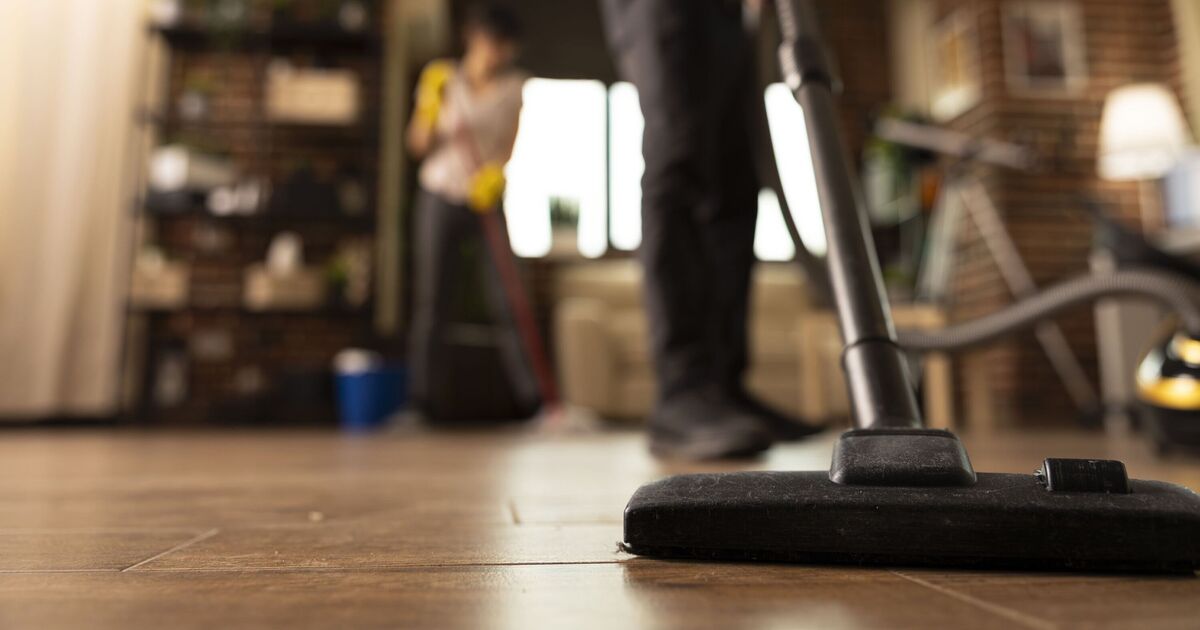
Vacuum cleaners could be costing some households in the UK around £4.80 a year from the start of next month, according to calculations by The Express. From April 1, people in England, Wales, and Scotland on a standard variable tariff, and who pay for their electricity via Direct Debit, will pay 24.67p per kilowatt hour (kWh) on average.
That’s a 7%-reduction on the current price cap of 27.69p per kWh, with Ofgem saying the main cause of the drop is Government budget interventions. As a result, your electricity bills may soon be lower, but it’s worth noting that using multiple appliances can add to your electricity costs over time.
That includes appliances like a vacuum cleaner that you may only use for short periods throughout the month.
Cleaning guru and This Morning expert Lynsey Crombie, who has worked with various cleaning brands, previously told Woman and Home that while vacuuming habits are a personal preference, “our data tells us most people will do a full home vacuum once a week, typically 25 minutes in an average-size house”.
Citizens Advice‘s electricity cost tool allows you to enter how much you use appliances and get a rough idea of how much they add to your electricity bill.
It’s estimated that 25 minutes of vacuuming a week with a typical corded model would add around £5.40 to your energy bill over 12 months under the current cap (27.69p per kWh).
That level of usage works out to approximately 1p per day, 10p per week, or 45p per month.
Under the April 1 price cap (24.67p), the cost of the same usage would drop to around £4.80 over 12 months, or 1p per day, 9p per week, or 40p per month.
However, it’s worth noting that the estimate appears to be based on a vacuum cleaner of around 900W (towards the maximum power output you’ll find), though power output and efficiency vary greatly between models.
Also, while these estimates help us give a sense of the broad costs the cap represents over a longer period, the maximum limit on unit rates and standard charges is reviewed by the regulator every three months and doesn’t stay in place for a full year.
Meanwhile, the standing charge will rise slightly from its current 54.75p level to 57.21p per day.
The April 1 price cap will apply until June 30, with the next cap level announced on May 27.