The death of a wheelchair user on a rollercoaster in the United States has been ruled as an accident and a report said workers at the ride followed procedures despite signs warning against riding.
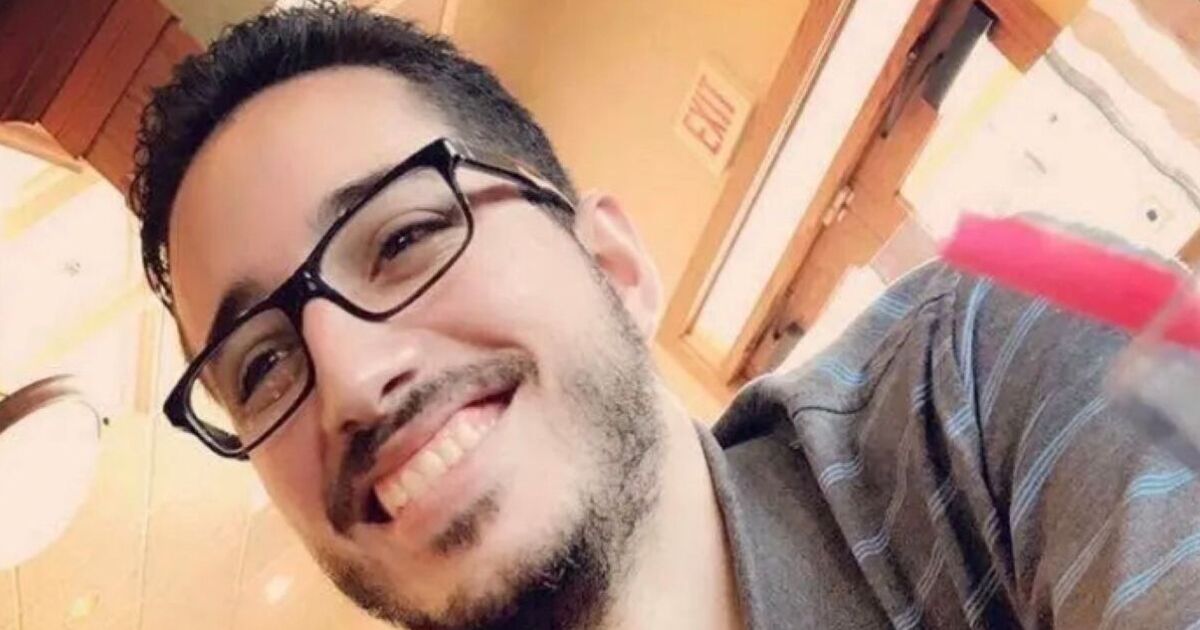
A 32-year-old Kevin Zavala, who had a pre-existing spinal injury and used a wheelchair, rode the Stardust Racers attraction at the Universal Epic Universe theme park in Florida when he suddenly became unresponsive in September.
The Stardust Racers officially in May at Universal Resort Orlando and reaches speeds up to 62 mph (100 kph).
A medical examiner’s report released on Friday, December 12, showed that the left side of Zavala forehead had a deep gash, and parts of his face fractured, the Associated Press news agency reported. Zavala had bleeding above his skull, bruises on his arms and abdomen and a fractured right thigh bone. The medical examiner in Orlando previously had ruled the death an accident and that he died of blunt-impact injuries.
The Orange County Sheriff’s Office in Orlando’s investigative report said security video footage showed Zavala “engaged and well” at the start of the ride, AP reported. He was unresponsive and slouched over in his seat at the end. Witnesses said his face was bleeding.
Anna Marshall, a medical doctor who was waiting in line for the attraction, told investigators that Zavala’s arm was hanging over the ride and his thigh bone was broken in half and resting on the back of the ride chair.
Javiliz Cruz-Robles, Zavala’s girlfriend, was behind him on the ride. She told Marshall that he had metal rods in his back from a previous spinal surgery.
“Dr. Marshall explained that she did not believe that just because Kevin Rodriguez-Zavala didn’t have use of his legs that that was the sole reason why this occurred,” the report said.
Cruz-Robles told investigators that a ride operator had to push Zavala’s lap restraint down several times before it was safely in place before starting the ride and she thought the bar was positioned too low on their laps.
She said her boyfriend flew forward when and hit his head on the metal bar in front of them on the rollercoaster’s first downward movement. She said Zavala hit his head several more times she was unable to hold him back despite trying.
“Javiliz was crying for help, but due to being in the middle of the ride, no one heard her screaming for help until the train cart was getting close to the station,” the report said.
Zavala was still secured in his ride seat by the lap bar when it returned the boarding area and ride operators struggled to release the bar for 10 minutes, Universal paramedic Sebastian Torres told investigators.
“The guest was stuck on the ride vehicle face down, falling out of his seat, with legs inverted,” Torres wrote in a statement included in the report.
Signs posted at the attraction’s entrance warned guests of sudden drops and accelerations. The signs said guests with certain conditions should not go on the ride. Conditions included “back, neck or similar physical conditions,” those who have had recent surgeries, or conditions that could be aggravated, the sheriff’s office report said.
The investigative report by the said that workers at ride followed procedures. They were not careless or neglectful, it said.
Zavala’s family described the condition leading to his disability as spinal cord atrophy. They said it did not cause his death. Zavala’s parents told investigators that their son required surgeries for a fractured a thigh bone in 2020 and a hip dislocation in 2010.
The media office for the attorney representing Zavala’s family did return an emailed inquiry about the sheriff’s office report on Friday, AP reported.