THERE are two stories this week about the trouble that journalists can get into from gambling. You don’t even yourself need to gamble for trouble to come looking, as Emanuel Fabian, the military correspondent of The Times of Israel discovered: after he reported on the paper’s live blog, on 10 March, that an Iranian missile had narrowly missed the residential area of Beit Shemesh, a small city west of Jerusalem, and crashed on an adjoining hill instead, he started to get emails, in Hebrew, suggesting that it had been only a fragment of a missile, and demanding that he edit his report to say so. When he failed to do so — because there is video of the missile strike — the messages grew threatening.
“You have no idea how much you’ve put yourself at risk,” a stranger wrote to him on WhatsApp: “If you decide to go with your ego and not with your head, you are leaving behind dozens of wealthy people from all over the world who will know that you performed market manipulation and stole from them. They know who you are, you don’t know who they are.
“Believe me, you don’t want to be their target. Because you will never, ever earn enough money to pay back even half of those you stole from. It took them less than 5 minutes to find out exactly where you live . . . how often you see your lovely parents . . . and exactly who your . . . brothers and sisters are.”
Of course, Mr Fabian had performed no market manipulation. The logic here was entirely Trumpian. The people threatening his life and his family were gamblers trying to fix a bet. Polymarket, one of the two big American online casinos that call themselves “prediction markets”, allows people to bet on when Iranian missiles will strike Israel. A total of $14 million had been wagered on various dates; $900,000 said that there would be no missiles hitting Israel on 10 March. Mr Fabian’s report was, therefore, costing someone a lot of money, and they wanted it changed.
The police in Israel are looking into the case. Polymarket said that it had banned the accounts involved and, later, that it had passed their information to the relevant authorities. But the whole “prediction market” set-up is ripe for corruption and insider trading. It is bad enough — though merely corrupting — that you can bet, day by day, on the movements of the front line in the Ukraine war, as though it were only a video game. It was also possible to bet on whether and when President Trump would bomb Iran, and someone calling themselves “Magamyman” made more than half a million dollars that way last month. It is, of course, pure coincidence that Donald Trump, Jr, is an adviser to the firm and has invested in it.
AND so, from the possibility of insider trading to outsider betting: the magazine The Atlantic set up McKay Coppins, a Mormon, with a stake of $10,000 to spend an American football season gambling on sports online. Since his faith prohibits gambling, Mr Coppins had to get special permission from his bishop, but the magazine’s editors showed an unusual degree of theological sensitivity: “The magazine would cover any losses, and — to ensure my ongoing emotional investment — split any winnings with me, 50–50. Surely God would approve of such an arrangement, my editors reasoned, because I wouldn’t be risking my own hard-earned money”; and the bishop cautiously agreed.
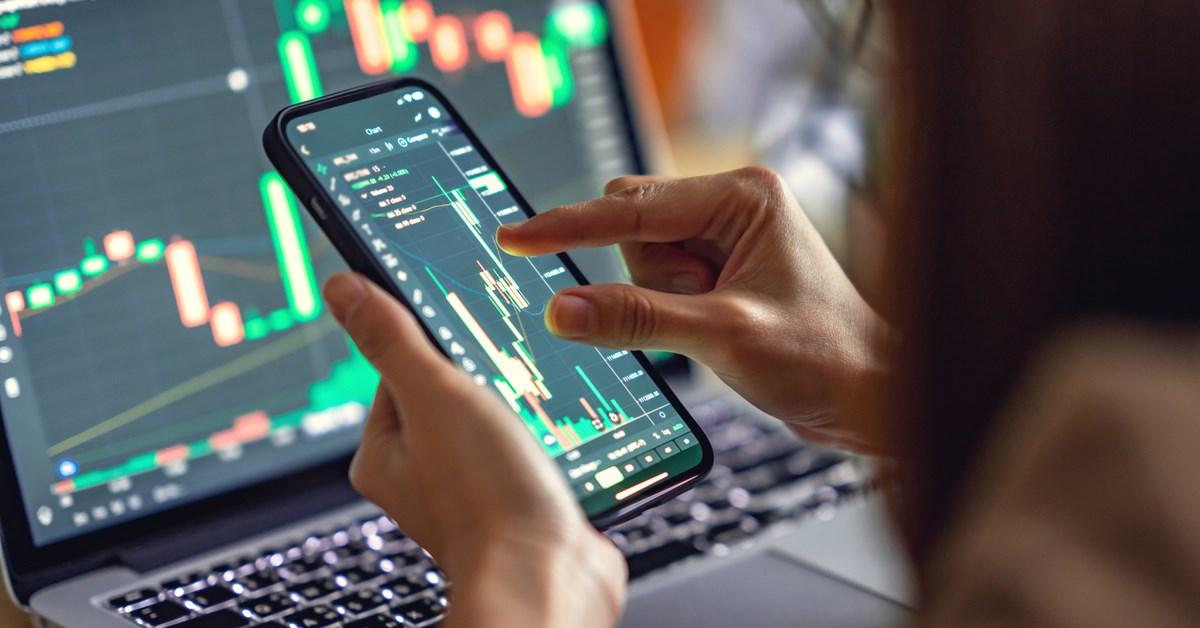
Mr Coppins then immerses himself in the twin addictions of the gambler and the man lost in his smartphone — for everything is done with the screen in your pocket. The distance between impulse and action is only a movement of your finger, and the variety of possible bets is almost infinite.
Still, entering the Super Bowl after 18 weeks of steady betting, he had been less than $5000 down. The next morning, “Sitting at my desk, I made a final tally of my wagers. I’d had an astonishingly bad night, even worse than I’d realized. Of my 22 Super Bowl bets, I’d won exactly two: that Patriots receiver Mack Hollins would score a touchdown, and that Ricky Martin would perform with Bad Bunny in the halftime show.
“The season was over. I had lost $9,891.”
I like to believe that, with that sort of expense account, I, too, could supply breathtaking works of investigative journalism. I need only an editor prepared to gamble on it. It’s an absolutely sure thing.