VISITORS to York Minster can now see fragments of the medieval shrine of St William of York, in a new exhibition and cinematic experience, “St William: Life and Legacy”, which opened last week and runs throughout the year.
It is 800 years since the canonisation of St William, twice Archbishop of York. A cousin of King Stephen and popular with the people, he was first made Archbishop in 1141, a controversial appointment challenged by Cistercian monks.
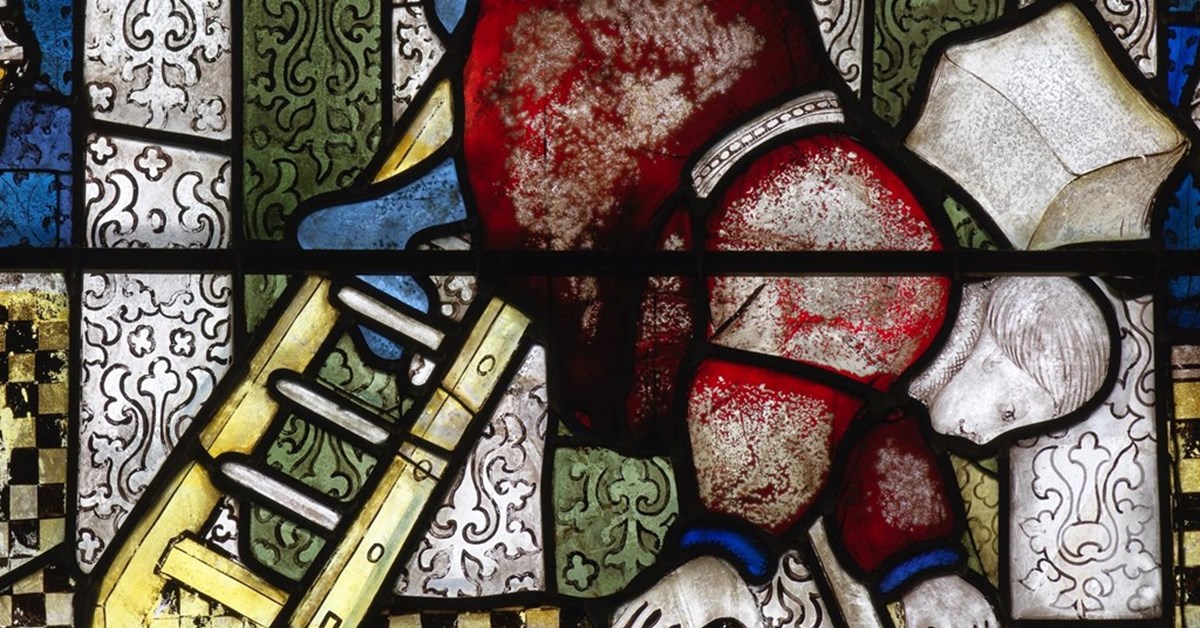
He was deposed, appealed to the Pope, was reinstated, and performed his first miracle, calling on God to save the citizens who had come out to greet him — so many that the Ouse Bridge collapsed. The hagiography has it that, as he made the sign of the cross, his prayers were answered.
Three weeks later, he fell violently ill while celebrating mass, prophesied his own death, and died nine days later, on 8 June 1154. He was buried in the cathedral.
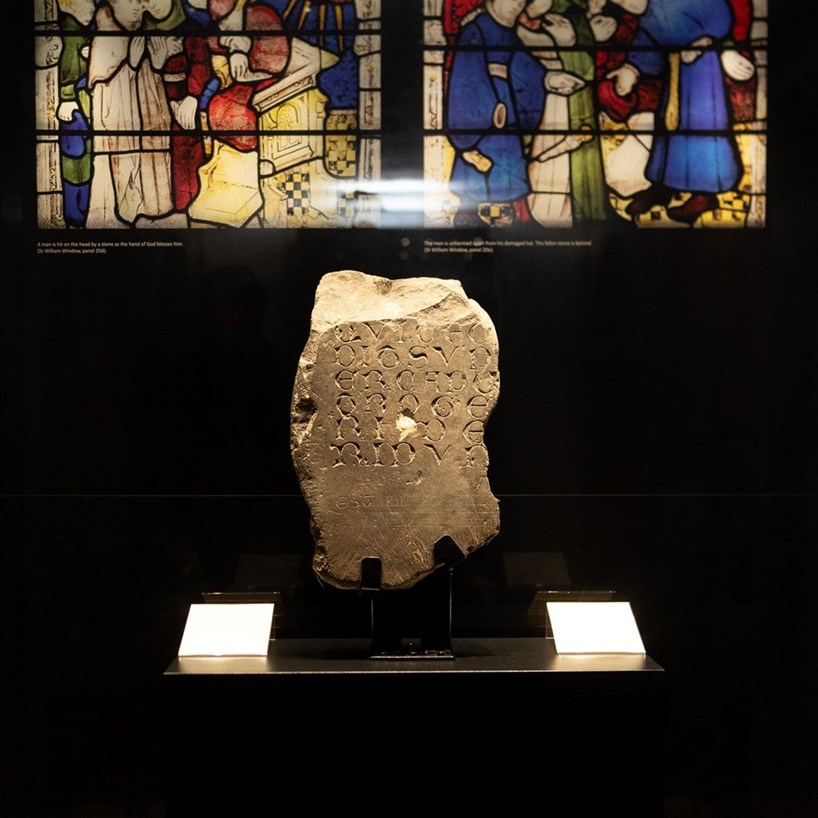 YORK MINSTERThe Latin inscription on this artefact in the exhibition reads: “Which fell on the head of Roger of Ripon”
Rumours spread that his enemies had poisoned him. His tomb became one of several shrines, the original remodelled into an intricately carved stone structure, which became a place of pilgrimage. In 1541, when all shrines were ordered to be demolished, William’s is believed to have been dismantled and fragments of it to have been buried around the city, where most remain.
Many have been 3D-scanned using the latest technology. The digital reconstruction is the centrepiece of a new film, shown on a giant screen in a purpose-built cinema beneath the cathedral.
Their return is “hugely significant”, the cathedral’s research co-ordinator and exhibition curator, Dr Jennie England, said. “Although our methods would be unimaginable to the craftspeople who created this medieval masterpiece, our commitment to ensuring that as many people as possible can connect to this holy and historic individual is much the same as theirs.”