Ever since watching a church I loved for more than two decades drift into hyper-charismatic territory — ultimately culminating in abusive leadership that forced us to leave — there’s been one phrase that puts a pit in my stomach: “the prophetic.”
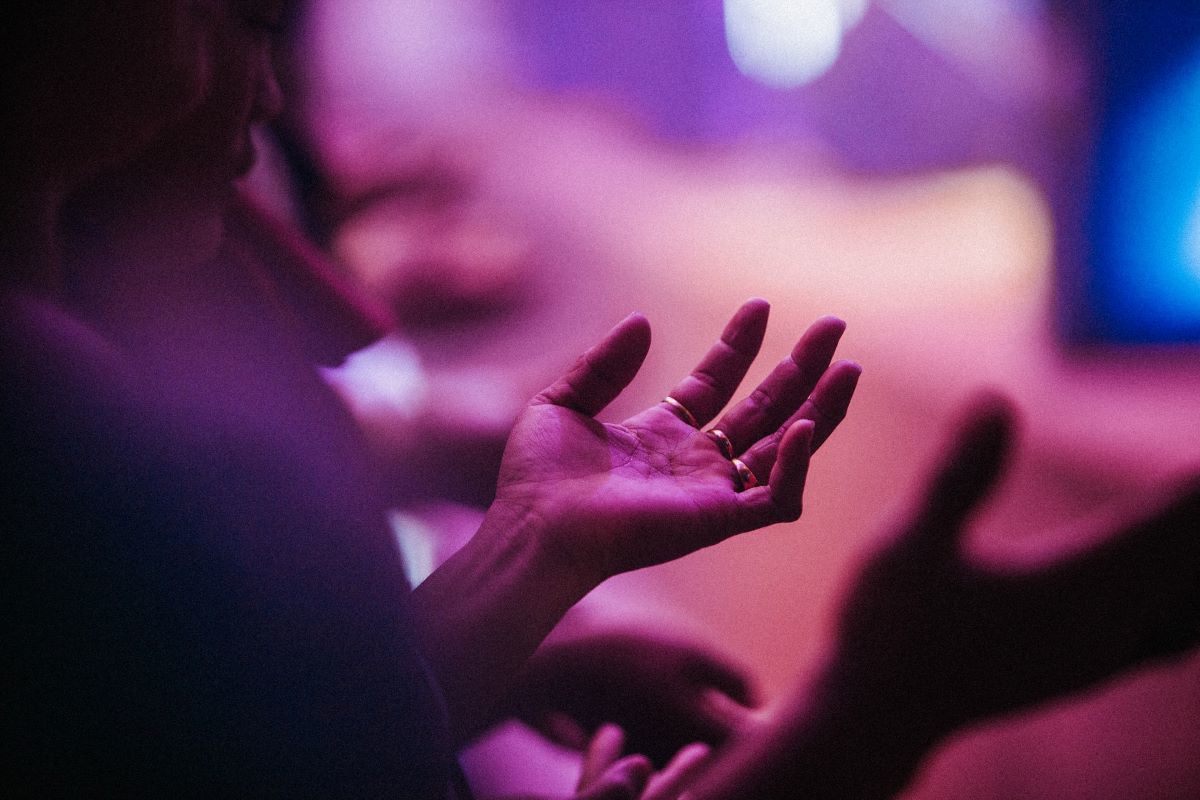
I heard it again recently while listening to a podcast update on cover-up culture in a highly influential hyper-charismatic church, and it immediately brought back images from my past — standing in line for prophetic words, wondering why I wasn’t having visions and dreams, hearing increasingly wild interpretations of Scripture, and feeling the weight of expectations that never materialized.
It also brought to mind the many stories I’ve heard from others — people hurt in churches where “the prophetic” was used against them or to insulate leaders who claimed a special category of anointed authority.
To be clear, I believe in the ongoing work of the Holy Spirit. God can do whatever He wants, however He wants. I would never want skepticism or personal experience to keep me from anything He genuinely has for me. But I also don’t want anything He hasn’t given. I don’t want to add to what’s already been revealed, declared, and accomplished — especially when what’s being added has a track record of confusion, distortion, and real devastation.
In many church settings today, “the prophetic” has come to mean more than the biblical category of prophecy. It often refers to ongoing, highly personalized revelations — impressions, predictions, and interpretations that extend beyond what’s clearly revealed in Scripture and are treated as expected Christian experiences. An entire industry has grown around the idea — books and courses promising “activation,” encouraging people to identify their gift, develop it, and learn how to use it. But Scripture tells us the Spirit distributes gifts sovereignly — to whom He wills, as He wills (1 Corinthians 12:11). If that’s true, then “activation” isn’t a biblical concept. It’s a marketing one.
I know for many faithful believers this conversation touches deeply held convictions and meaningful experiences. But reflecting on what I’ve seen and experienced has led me to an honest question: do we really need any of this?
Of course, Christians absolutely need a supernatural God. But is a steady stream of supernatural experiences necessary to sustain a faithful Christian life? And even more importantly, is desiring it even safe?
When people talk about “walking in the prophetic,” they’re usually describing something extra-biblical — subjective, fluid, and difficult if not impossible to test. Once we move beyond what’s clearly revealed, we introduce enormous room for error — not just minor error, but the kind that shapes lives and wounds people deeply. If something is essential to the life of the church, its boundaries shouldn’t be this difficult to define.
Equally concerning is who is drawn into all of this. Often, it’s immature believers being pulled into something they don’t yet have the framework to evaluate. Before they know how to read Scripture well, they’re invited into highly subjective experiences. And when those moments don’t come, the next step is getting closer to people for whom they do. Dependence upon those who claim to operate in “the prophetic” begins to replace confidence in God’s Word. Proximity becomes a substitute for discernment. Rather than learning to study, test, and apply Scripture faithfully, the vulnerable begin to rely upon perceived experts, those who seem to have access to something they don’t.
That dynamic creates deeper vulnerability. People are formed by sensation before they’re grounded in truth — fed a steady diet of spiritual adrenaline before they understand what’s faithful and true. When the experiences don’t happen, when the “words” don’t come true, when the life they were told to expect never materializes, it can be devastating. Many don’t just walk away from the experience — they walk away from what they’ve been led to believe is Christianity.
But it isn’t. It’s a counterfeit.
Real Christianity isn’t a string of spiritual highs. It’s a slow, steady work of transformation — more valley than mountaintop. The New Testament is a call to perseverance: to endure suffering, remain faithful, and be content in all circumstances (Philippians 4:11-13). We have an inheritance we’re called to wait for, even when it isn’t visible and the waiting is hard. That’s spiritual maturity — not instant gratification but settled trust in what’s already been revealed.
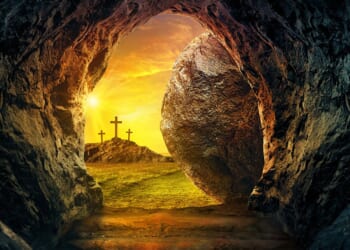
Scripture doesn’t affirm an endless pursuit of signs and wonders. When people demanded more proof, Jesus pointed them back to what had already been given: “An evil and adulterous generation seeks for a sign, but no sign will be given … except the sign of the prophet Jonah” (Matthew 12:39-40). The decisive sign for everyone — including us — is His death, burial, and resurrection.
We already have a prophetic Word — “more fully confirmed” (2 Peter 1:19). We have a Savior who validated His message with multiple miracles. We have a revelation that equips us for every good work (2 Timothy 3:16-17). The issue isn’t whether God can do more. Of course He can. The issue is whether more is actually needed.
And that leads to a question worth sitting with: if we never received anything more than what’s already been given in Scripture — what Jesus accomplished 2,000 years ago — would it be enough? Enough to sustain faith, hope, and obedience?
Can any of us honestly imagine standing at the foot of the Cross, looking at Jesus as He bore the full weight of sin, our own included, and concluding, “this isn’t enough?”
Thankfully, it is enough. And tragically, our pursuit of “more” doesn’t always lead us into what’s deeper. Sometimes it pulls us into danger.
Our inheritance is real. The promise is enough. Our challenge is learning to live as we believe.
Teasi Cannon is an author, speaker, and host of the True Comfort Podcast. She is a lifelong learner who is passionate about helping others cultivate a sound and enduring devotion to Jesus.
Teasi holds a B.S. in Interdisciplinary Studies from Middle Tennessee State University School of Education and Behavioral Science, an M.A. in Pastoral Counseling from Liberty Theological Seminary, and a certificate in Christian Apologetics from Southern Evangelical Seminary. She is a board member with BeEmboldened, a non-profit that provides support in the prevention of and healing from harmful religious experiences.
Teasi lives south of Nashville, Tennessee with her husband and best friend Bill. They have three amazing children who all grew up far too quickly, a wonderful son- and daughter-in-love, and the most precious grandchildren the world has ever seen. For more about Teasi, check out her website at www.teasicannon.com .